


 September 21, 2026
 4 min read
Your eyes support almost every part of daily life, from working and driving to reading, recognising faces and enjoying time outdoors. Yet eye health can sometimes be overlooked until a change in vision becomes noticeable.
Looking after your eyes does not require a complicated routine. Regular eye examinations, protection from ultraviolet light and attention to your wider health can all contribute to maintaining comfortable vision and identifying potential concerns earlier.
Why Are Regular Eye Examinations Important?
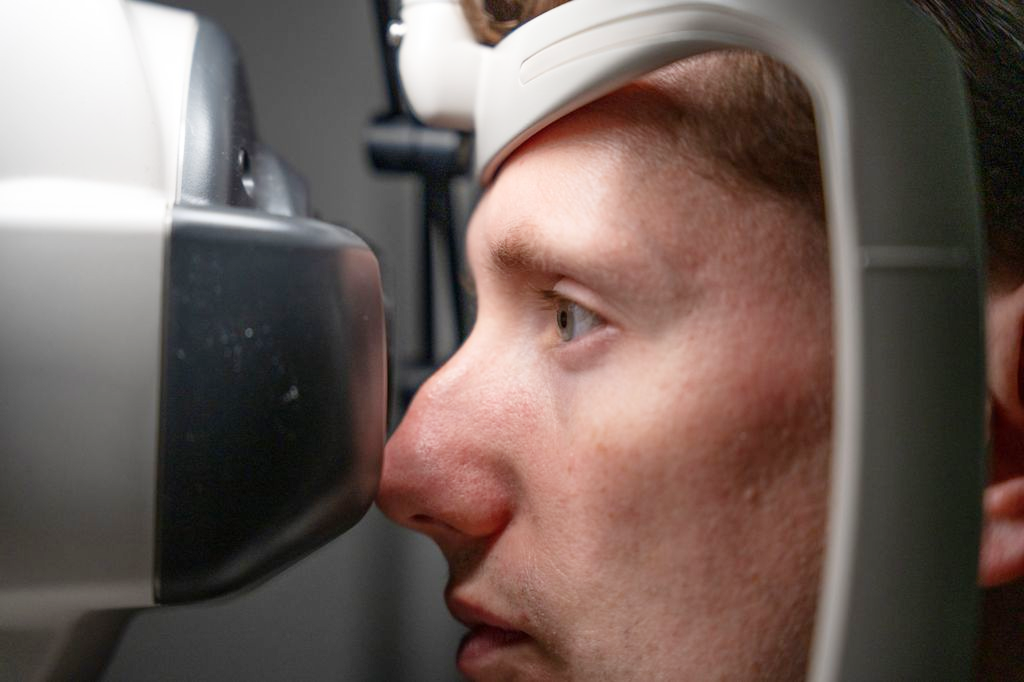
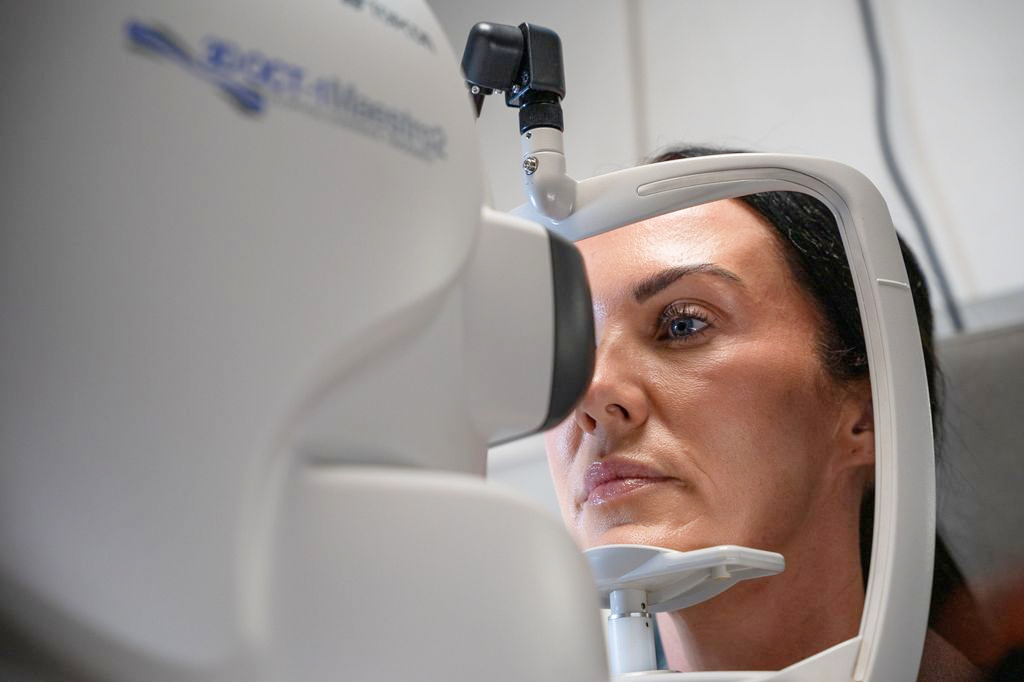
An eye examination checks more than whether you need glasses or whether your prescription has changed. Your optometrist also examines the internal and external structures of your eyes and can look for signs of conditions such as glaucoma, cataracts and macular degeneration.
Some eye conditions may develop gradually and may not cause pain or obvious symptoms during their earlier stages. Regular examinations provide an opportunity to identify changes that you may not have noticed yourself and to arrange further monitoring or referral where appropriate.
Many adults are advised to have their eyes examined approximately every two years, although your optometrist may recommend more frequent appointments depending on your age, eye health, prescription, family history or general health. You should not wait for your next routine appointment if you notice a change in your vision.
“Looking after your eye health begins with regular examinations and paying attention to changes in how your eyes look, feel and function.”
Everyday Ways to Look After Your Eyes
Small, consistent habits can support your everyday comfort and wider eye health.
- Wear well-fitting sunglasses that provide appropriate ultraviolet protection.
- Consider wearing a wide-brimmed hat when spending extended periods in strong sunlight.
- Avoid smoking and seek support to stop where needed.
- Eat a varied, balanced diet that includes colourful fruit, vegetables and dark green leaves.
- Keep health conditions such as diabetes and high blood pressure appropriately managed.
- Take regular breaks during prolonged screen use.
- Wear glasses or contact lenses according to the advice provided by your optometrist.
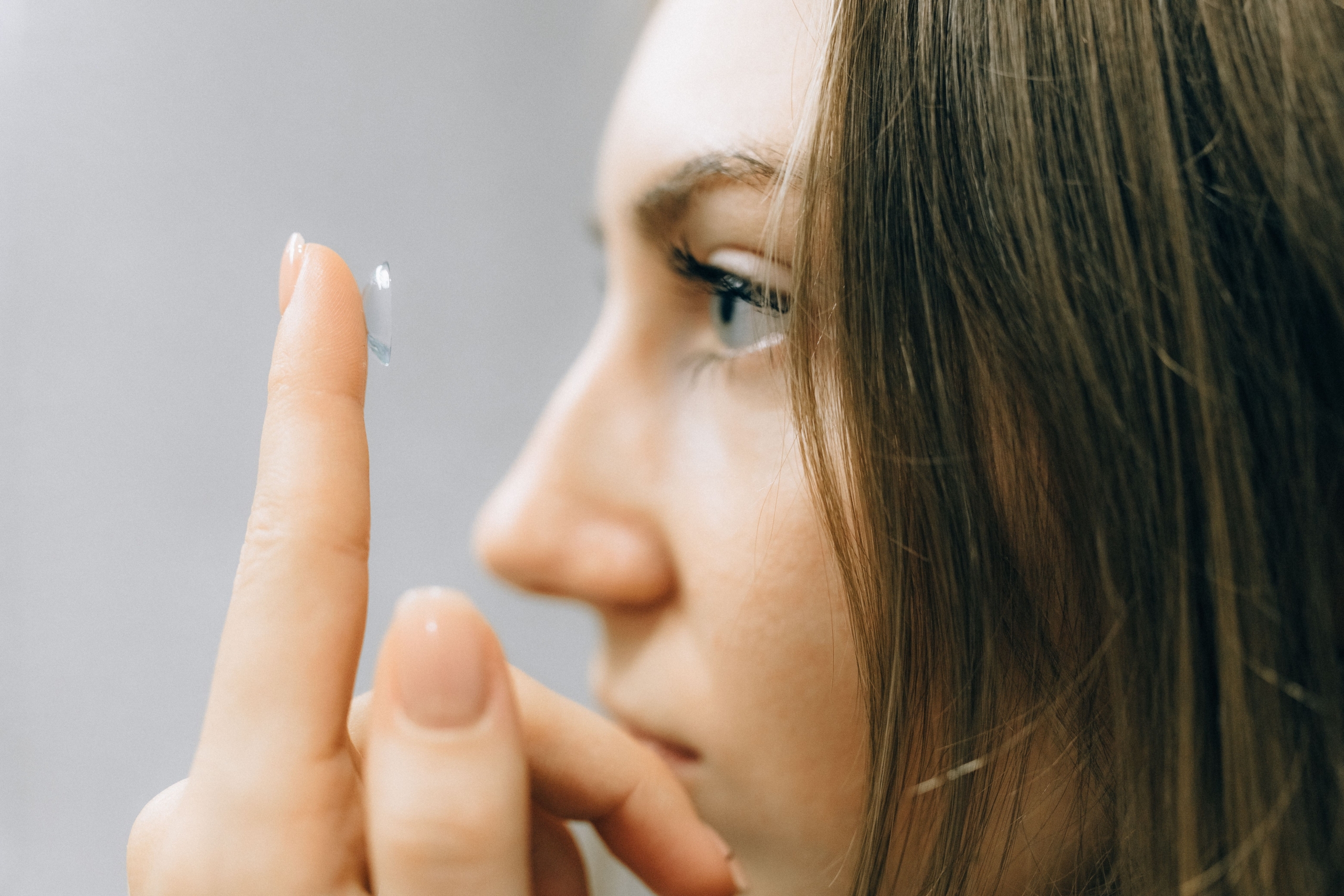
- Follow the recommended replacement and care routine for contact lenses.
- Use suitable eye protection for work, sport and activities that could cause an eye injury.
Prolonged ultraviolet exposure has been associated with eye conditions including cataracts, while smoking increases the risk of conditions such as age-related macular degeneration and cataracts. A varied diet and maintaining a healthy weight can also support general health, which is closely connected with eye health.
Regular eye examinations, ultraviolet protection and healthy everyday habits can all contribute to protecting your vision.
How Your General Health Can Affect Your Eyes
Your eyes can be affected by health conditions elsewhere in the body. Diabetes, high blood pressure and high cholesterol can all influence the blood vessels and structures inside the eyes.
Diabetes can cause changes to the small blood vessels in the retina, known as diabetic retinopathy. These changes may develop without noticeable symptoms during the early stages, which is why eligible people should attend Diabetic RetinaScreen appointments as well as continuing with regular eye examinations. Diabetic screening looks specifically for retinopathy and does not replace a broader eye examination.
Tell your optometrist about relevant health conditions, medication and family eye history. This information helps them understand your individual risk factors and determine whether additional tests or more frequent monitoring may be appropriate.
When Should You Seek Professional Advice?
You should arrange an eye examination if you notice a persistent or unexplained change in your vision, recurring headaches, difficulty focusing, increased sensitivity to light or ongoing discomfort.
Seek prompt professional or medical advice if you experience:
- Sudden loss or deterioration of vision
- New flashes, floaters or dark areas in your vision
- Straight lines appearing distorted or wavy
- A painful and red eye
- Pain when looking at light
- A red eye while wearing contact lenses
- A significant eye injury
- An object becoming lodged in the eye
These symptoms should not be delayed until your next routine eye examination. HSE guidance advises urgent assessment for a painful red eye and emergency care when a red eye is accompanied by vision changes, light sensitivity, injury or something lodged in the eye.