





 September 21, 2026
 5 min read
Trying contact lenses for the first time can feel like a big step, but the process is designed to help you become comfortable and confident before wearing them independently.
Contact lenses can provide clear vision without frames and may be particularly useful for sport, special occasions or everyday wear. The right option will depend on your prescription, eye health, lifestyle and how frequently you would like to wear them.
A contact lens appointment is different from a standard eye examination. Your optometrist will assess whether contact lenses are suitable for your eyes, discuss the options available and show you how to insert, remove and care for them safely.
Are Contact Lenses Right for You?
Contact lenses are available for many different vision needs, including short-sightedness, long-sightedness, astigmatism and age-related changes in near vision.
Your optometrist will begin by discussing your prescription, daily routine and reasons for wanting to try contact lenses. Some people want to wear them every day, while others prefer them for sport, social occasions or as an alternative to glasses.
Your eye health, tear film and the surface of your eyes will also be considered. These factors can influence which lens material, design and wearing schedule may be most suitable and comfortable for you.
Your contact lens prescription is not necessarily the same as your glasses prescription. Contact lenses sit directly on the eye, so additional measurements—including the shape and size of the lens are needed to find an appropriate fit.
“Finding the right contact lenses is about more than matching a prescription. Comfort, fit, eye health and how you plan to wear them all matter.”
What Happens During a Contact Lens Appointment?
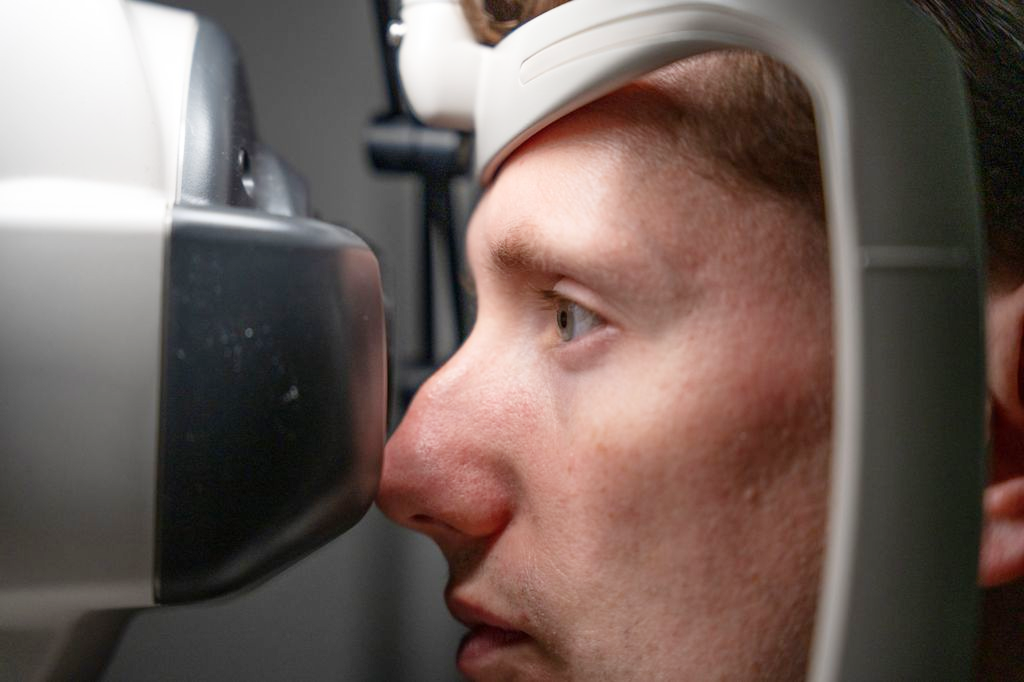
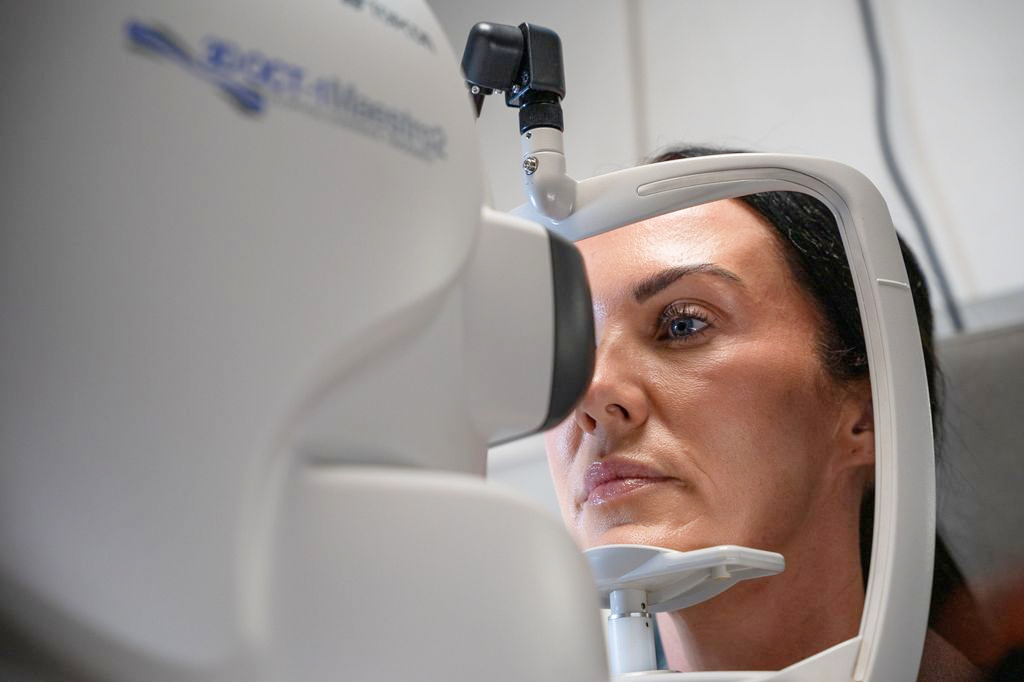
During your appointment, your optometrist will assess the front surface of your eyes and take the measurements needed to select an appropriate trial lens.
A lens may then be placed on your eye so your optometrist can assess:
- How clearly you can see
- How the lens sits and moves on your eye
- Whether the lens feels comfortable
- How your eyes respond while wearing it
- Whether a different lens design or prescription should be tried
It can take time to find the most suitable option, and the first lens tested may not necessarily be the final one recommended. Different materials, sizes and designs can feel different on the eye.
Once an appropriate trial lens has been selected, you will usually be given time to experience how it feels and how well you can see. A follow-up assessment may also be recommended before the fitting is considered complete.
Your contact lens appointment includes checking your vision, assessing how the lenses fit and helping you become confident handling them safely.
Learning to Insert and Remove Your Lenses
Most first-time wearers need some practice before inserting and removing contact lenses feels natural. You will be shown the correct technique and given time to try it yourself.
Your contact lens practitioner will explain how to:
- Wash and dry your hands before touching your lenses
- Check that the lens is clean and positioned the right way around
- Insert the lens without touching your eye with your fingernails
- Remove the lens gently and safely
- Tell the right and left lenses apart, where relevant
- Clean and store reusable lenses correctly
- Follow the recommended wearing and replacement schedule
It is normal for this to feel unfamiliar at first. You should not leave the appointment expected to manage alone until you have been shown how to handle your lenses safely and feel sufficiently confident doing so.
Always wash and dry your hands thoroughly before inserting or removing contact lenses. Avoid allowing lenses or their storage case to come into contact with tap water, shower water, swimming-pool water or saliva, as water exposure can introduce microorganisms that may cause serious eye infections.
Wearing and Caring for Contact Lenses Safely
Follow the wearing schedule and care instructions provided for your specific lenses. Different contact lenses have different replacement schedules, and advice for daily disposable lenses will differ from advice for reusable lenses.
To look after your eyes and lenses:
- Never wear lenses for longer than advised.
- Do not sleep in your lenses unless they have specifically been prescribed for overnight wear.
- Never share contact lenses with another person.
- Replace lenses according to the recommended schedule.
- Use only the cleaning and storage solution recommended for your lenses.
- Never reuse or top up old solution in the lens case.
- Keep reusable lens cases clean and replace them as advised.
- Avoid wearing lenses while swimming or showering unless your optometrist has provided specific guidance.
- Attend your recommended contact lens check-ups, even when your lenses feel comfortable.
- Continue to have regular eye examinations as advised.
A contact lens check-up assesses your vision with the lenses and the health of the surface on which they sit. It does not replace a comprehensive eye examination, which assesses other aspects of your vision and eye health.
Remove your contact lenses and seek prompt professional advice if an eye becomes red or painful, your vision changes, you develop unusual sensitivity to light or the lenses suddenly feel uncomfortable. A red or painful eye in a contact lens wearer can indicate an infection and should not be ignored.