






 September 21, 2026
 5 min read
Seeing small dots, strands or shapes moving across your vision can be unsettling, particularly when they appear unexpectedly. These are commonly known as floaters. Some people may also notice brief flashes of light, often described as flickering, lightning-like streaks or flashes at the edge of their vision.
Flashes and floaters are common and are often related to natural changes inside the eye. However, when they appear suddenly or change significantly, they can sometimes indicate a retinal tear or retinal detachment and should be assessed urgently.
What Are Flashes and Floaters?
Floaters are shapes or shadows that appear to move across your field of vision. They may look like:
- Small black or grey dots
- Threads or fine strands
- Rings
- Cobweb-like shapes
- Small flies or tadpoles
- A sudden shower of spots
They often move when your eyes move and may appear to drift away when you try to look directly at them. Floaters can be more noticeable when looking at a bright, plain background, such as a white wall, a computer screen or a clear sky.
Flashes are brief sensations of light that are not caused by an external light source. They may appear as sparks, flickering lights, lightning-like streaks or flashes around the edge of your vision.
A small number of long-standing, unchanged floaters are common and may become less noticeable over time. New flashes, new floaters or a sudden change in existing symptoms should not be ignored.
“New flashes or a sudden increase in floaters should always be assessed promptly, even when your vision otherwise appears unchanged.”
What Causes Flashes and Floaters?
The centre of the eye contains a clear, jelly-like substance called the vitreous. As you get older, the vitreous gradually becomes more liquid and may begin to pull away from the retina, the light-sensitive layer at the back of the eye.
This process is called a posterior vitreous detachment, or PVD. It is a common cause of flashes and floaters and usually does not require treatment. Floaters may appear when strands within the vitreous cast shadows onto the retina. Flashes can occur when the vitreous pulls or tugs on the retina.
In some cases, the vitreous can pull strongly enough to create a tear in the retina. Fluid may then pass through the tear and cause the retina to separate from the back of the eye. This is known as retinal detachment and requires urgent treatment to protect vision.
Flashes and floaters can also be associated with:
- Inflammation inside the eye
- Bleeding within the eye
- An eye injury
- Previous eye surgery
- Certain retinal conditions
- Migraine with aura
Different conditions can produce similar visual symptoms, so it is important not to diagnose the cause yourself, particularly when the symptoms are new or sudden.
Flashes may appear as brief streaks or flickers of light, while floaters can look like dots, threads or cobweb-like shapes moving across your vision.
When Should You Seek Urgent Advice?
Seek urgent professional assessment if:
- Flashes or floaters appear suddenly for the first time
- You notice a sudden increase or shower of floaters
- Existing flashes or floaters become noticeably worse
- You see a dark curtain, veil or shadow moving across your vision
- Part of your peripheral vision appears to be missing
- Your vision suddenly becomes blurred or reduced
- The symptoms begin following an eye injury
- The eye is red, painful or unusually sensitive to light
These symptoms do not always mean that you have a retinal tear or detachment. However, an urgent examination is needed to rule out a potentially serious problem at the back of the eye.
A retinal detachment is generally painless. You should therefore not wait for pain before seeking advice if you notice sudden flashes, new floaters, reduced vision or a curtain-like shadow. Prompt treatment can help prevent further damage to your sight.
Even if you have previously had your retina examined, seek advice again if your symptoms suddenly worsen or your vision changes.
What Happens During an Assessment?
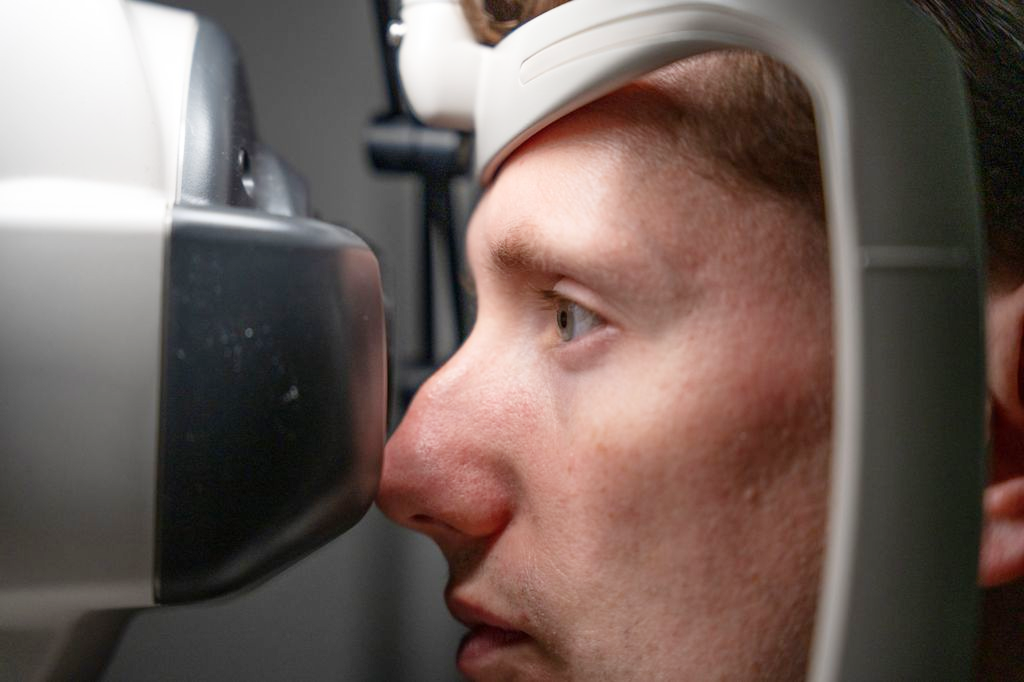
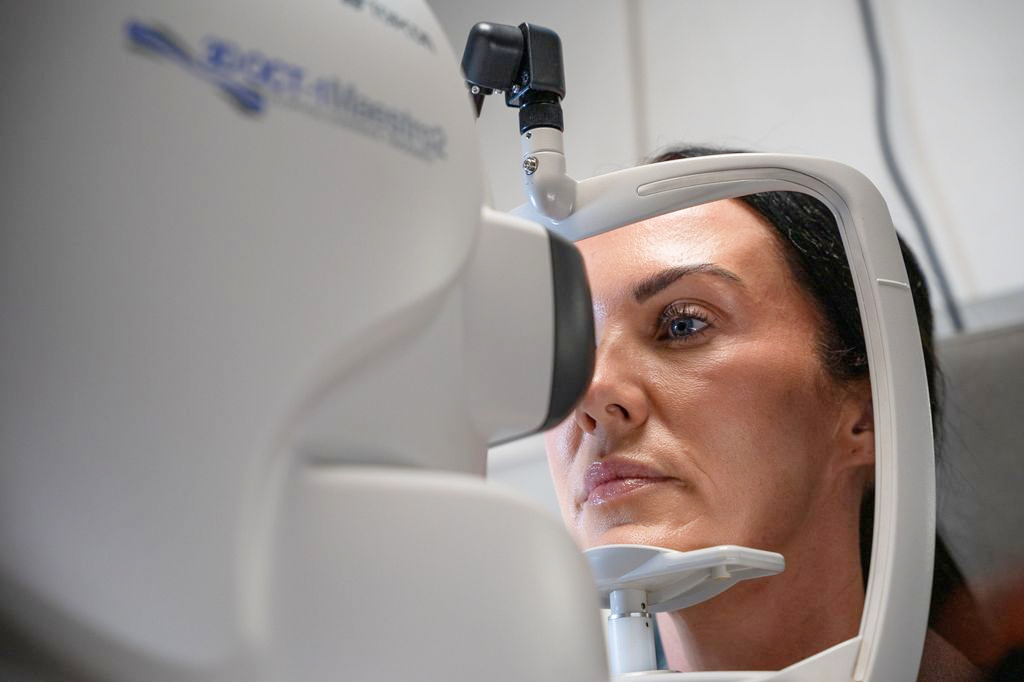
Your optometrist will ask when the symptoms began, what they look like and whether they affect one or both eyes. They may also ask about recent eye injuries or surgery, your prescription, general health and any previous retinal problems.
Your vision will be checked, and the structures at the back of your eye will be examined carefully to look for signs of changes affecting the vitreous or retina. The majority of people assessed for flashes and floaters do not have a retinal detachment, but a detailed retinal examination is important because the symptoms can be similar.
Dilating eye drops may be used to widen your pupils and provide a clearer view of the retina. These drops can temporarily blur your vision and make your eyes more sensitive to bright light. Do not drive until your vision has returned to normal, and follow the advice provided during your appointment.
If your optometrist identifies a possible retinal tear, detachment or another condition requiring specialist assessment, they will explain the findings and arrange an appropriate referral.