

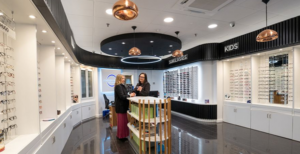
Hear what patients value about the care, advice and service they receive from Mairead O’Leary Opticians.
SERVICES
Short Sightedness
Clearer distance vision with a prescription and advice tailored to your eyes, lifestyle and everyday needs.
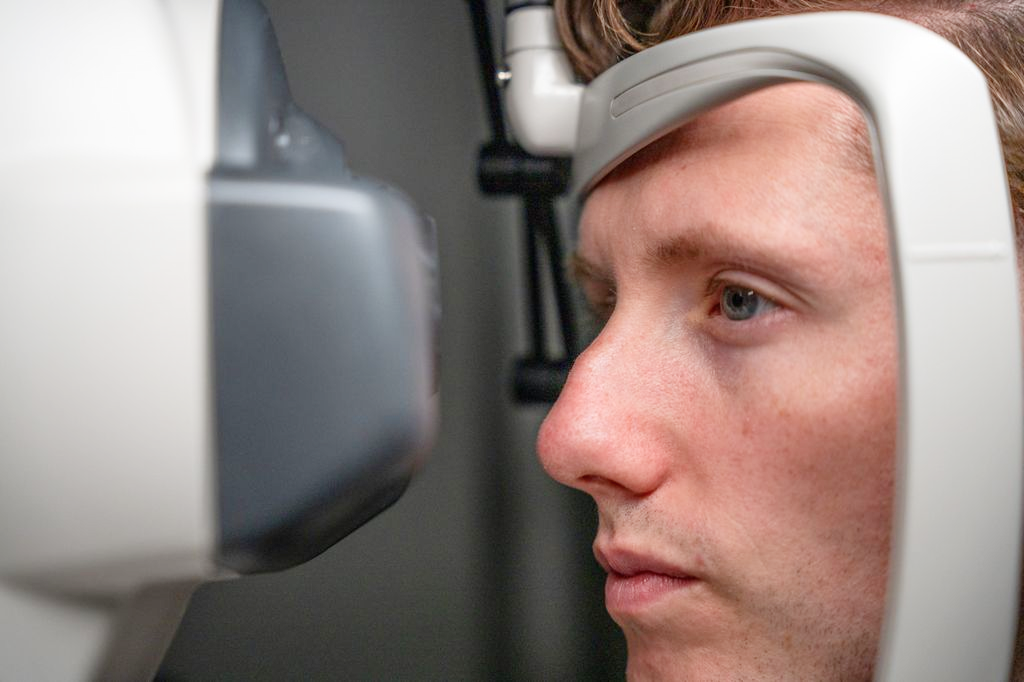
About Short Sightedness
Short sightedness, also known as myopia, is a common condition that makes objects in the distance appear blurred while closer objects are usually easier to see. It happens when light focuses in front of the retina rather than directly on it.
You may notice difficulty reading road signs, recognising faces from a distance, watching television or seeing a classroom board clearly. Some people also experience squinting, headaches or tired eyes when trying to focus on distant objects.
Short sightedness often begins during childhood or the teenage years and may change while the eyes are still growing, although it can also be identified in adults. A comprehensive eye examination will measure your prescription, assess your eye health and help determine the most suitable correction for you.
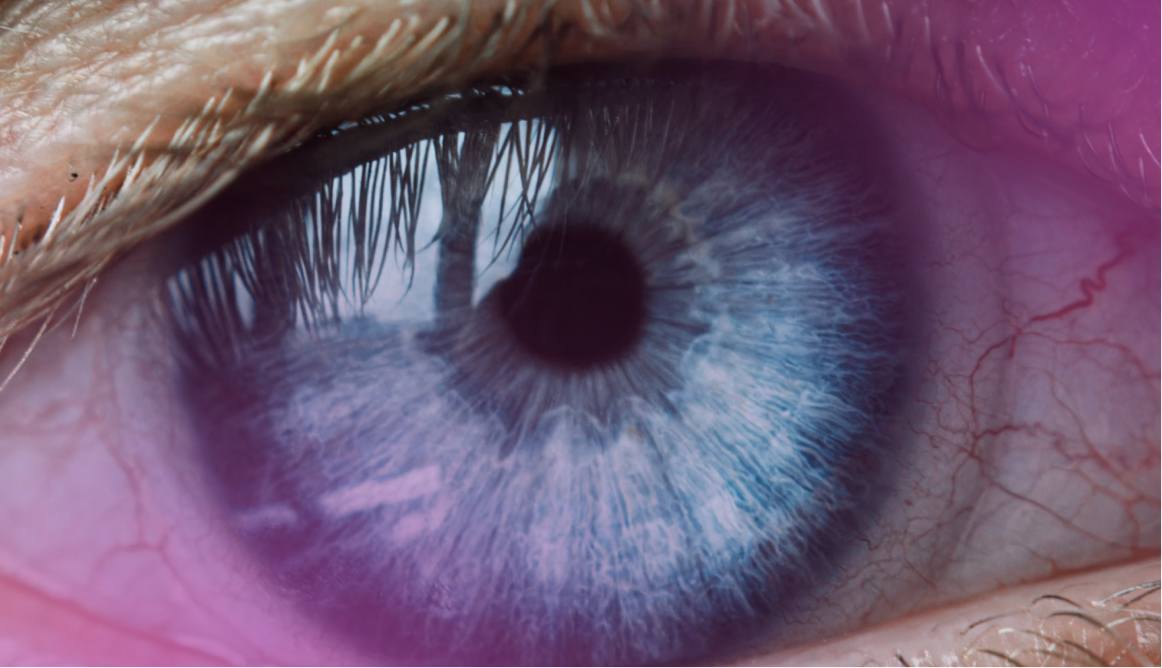
Signs You May Be Short Sighted
Road signs, faces or other distant objects appear blurred
You frequently squint to bring distant objects into clearer focus
You find it difficult to see presentations, screens or classroom boards
You sit closer to the television to see the picture clearly
You experience headaches or tired eyes when focusing into the distance
You struggle to recognise people until they are relatively close
Driving or seeing clearly after dark has become more difficult
Distance vision remains unclear with your current glasses or contact lenses
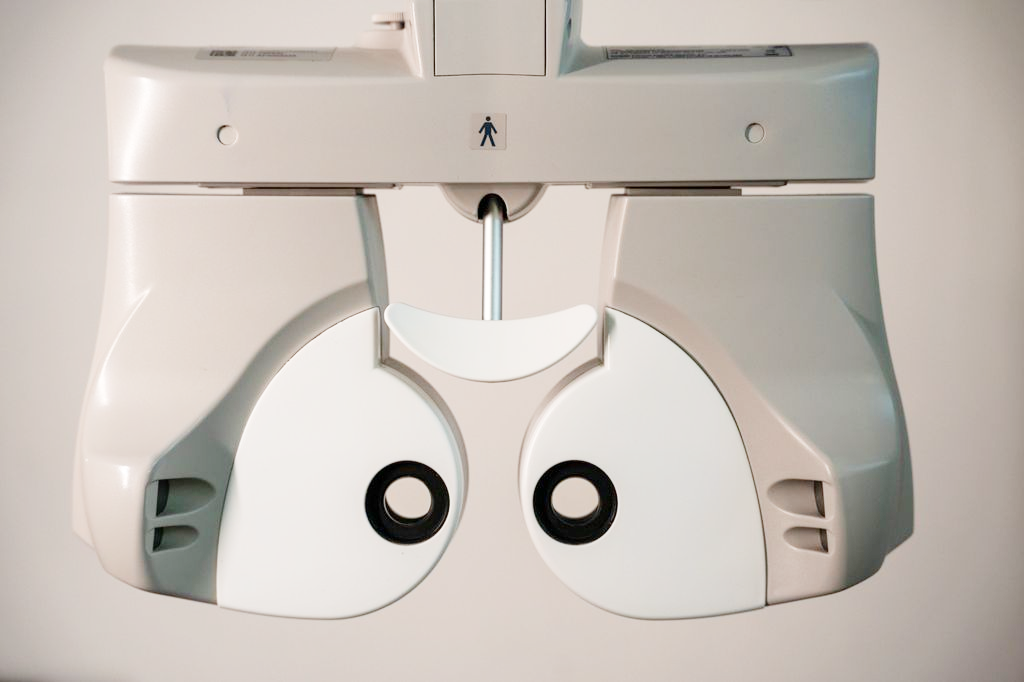
HOW WE CAN HELP
Our Approach to Your Care
- Discussion of your vision, symptoms, general health and family eye history
- Assessment of your sight at near, intermediate and distance
- Prescription testing to measure the degree of short sightedness
- Evaluation of how effectively your eyes focus and work together
- Examination of the internal and external health of your eyes
- Clear advice on glasses, contact lenses and suitable follow-up care
Clearer Vision for Everyday Life
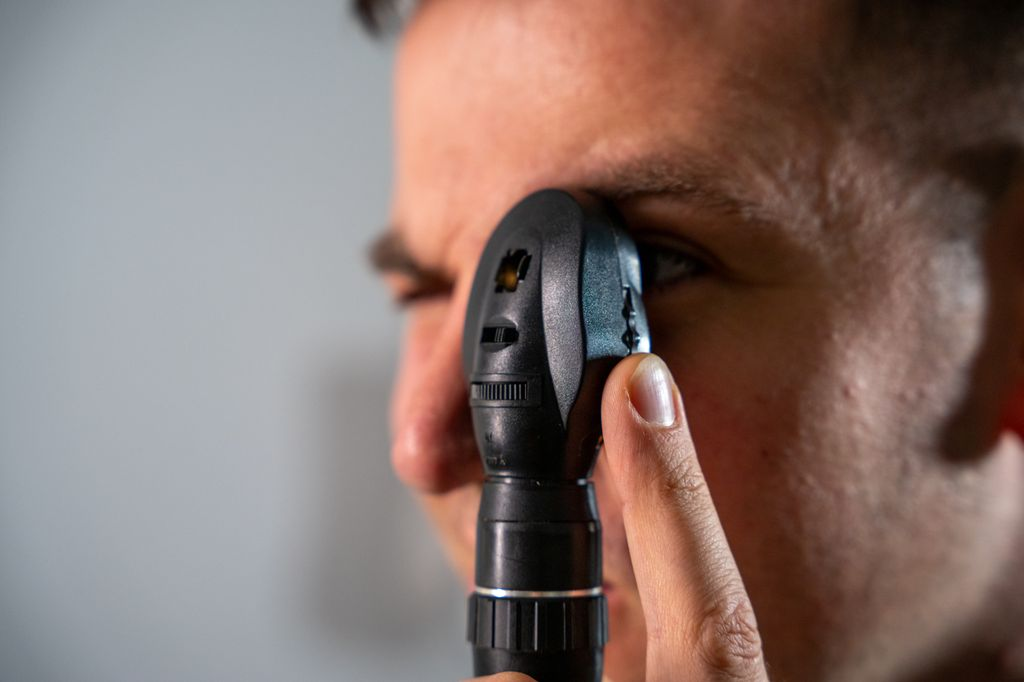
Short sightedness can affect many everyday activities, from driving and watching television to recognising faces or seeing clearly across a room. The right prescription brings distant objects back into focus, helping you feel more comfortable and confident throughout the day. Your optometrist will carefully refine your prescription and discuss when you may need to wear your correction. Some people only require glasses for activities such as driving or watching a performance, while others benefit from wearing them throughout the day.
- Clearer, sharper distance vision
- A prescription tailored to your individual needs
- Practical advice based on your daily routine
Glasses and Contact Lenses That Suit You
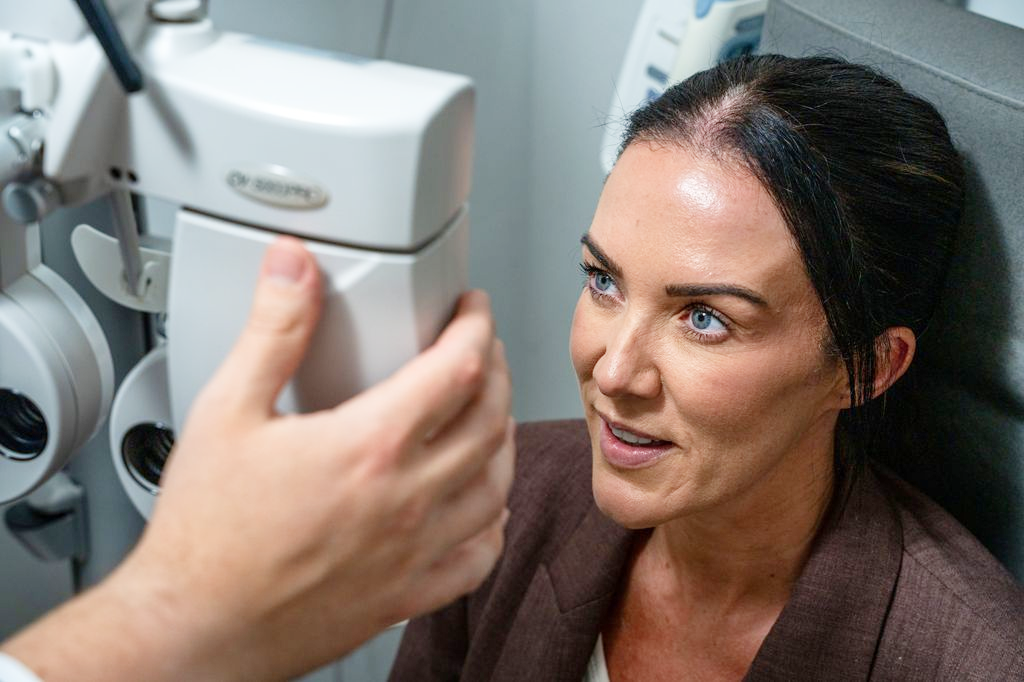
Short sightedness can usually be corrected with glasses or contact lenses. We take time to understand your prescription, eye health, comfort and lifestyle before discussing the options most suited to you. Whether you prefer glasses, contact lenses or a combination of both, our team will help you find a solution that provides clear vision and fits naturally into your everyday life.
Keeping Your Vision Under Review
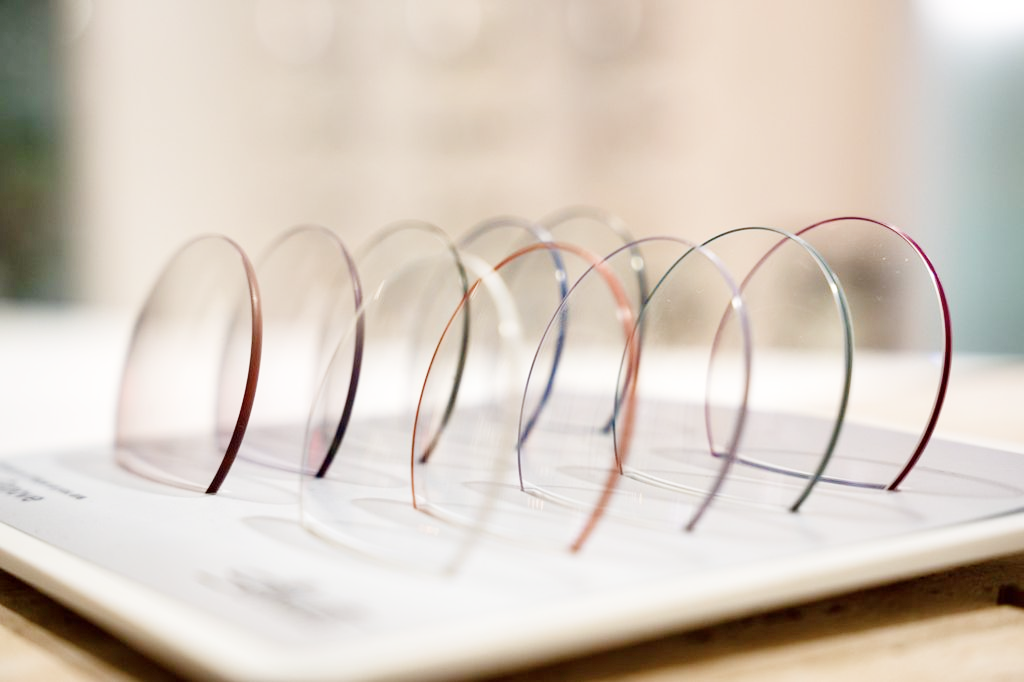
Your prescription may remain stable or change over time, particularly during childhood and the teenage years. Regular eye examinations allow your optometrist to monitor these changes, update your correction when needed and assess the ongoing health of your eyes. Arrange an earlier appointment when you notice a change in your distance vision, begin squinting more frequently or feel that your current glasses or contact lenses are no longer giving you comfortable, clear sight.
Stories From Our Patients
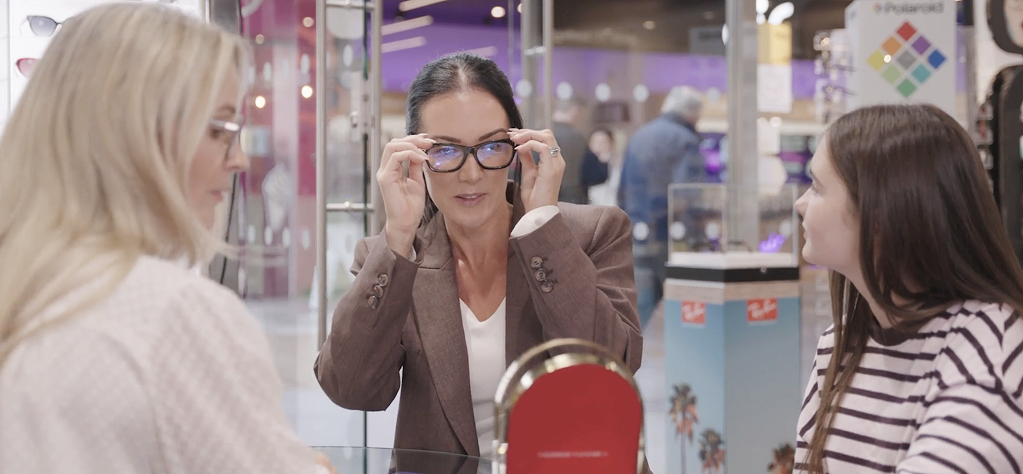
Read what patients value about the clearer distance vision, personal advice and carefully tailored correction they receive at Mairead O’Leary Opticians.
Stories From Our Patients


Related FAQs
Short sightedness, or myopia, is a condition that causes distant objects to appear blurred while nearby objects are usually clearer. It occurs when light focuses in front of the retina instead of directly on it.
Common signs include blurred distance vision, squinting, difficulty reading road signs or seeing a classroom board, headaches and tired eyes. An eye examination is needed to confirm whether short sightedness is causing your symptoms.
Yes. Short sightedness can usually be corrected with properly prescribed glasses or contact lenses. Your optometrist will recommend the most suitable option based on your prescription, eye health and lifestyle.
This depends on your prescription and visual needs. Some people only need glasses for distance activities such as driving, watching television or seeing presentations, while others benefit from wearing them throughout the day.
Yes. Short sightedness often begins during childhood or the teenage years and may change as the eyes grow. Arrange an eye examination when your child struggles to see the board, sits close to the television, squints frequently or complains of headaches or tired eyes.
WE CARE
Related Services
Expert care, practical guidance and specialist information to support your vision and long-term eye health.


BOOK TODAY
Book Your Eye Examination
Find out whether short sightedness is affecting your vision and receive clear advice on the most suitable correction for your everyday needs.