

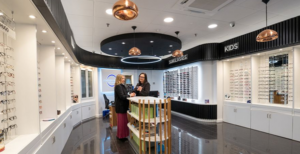
Read what patients value about the clearer vision, practical advice and personalised care they receive at Mairead O’Leary Opticians.
SERVICES
Long Sightedness
Clear advice and personalised vision correction when close-up tasks feel blurred, tiring or more difficult than they should.
About Long Sightedness
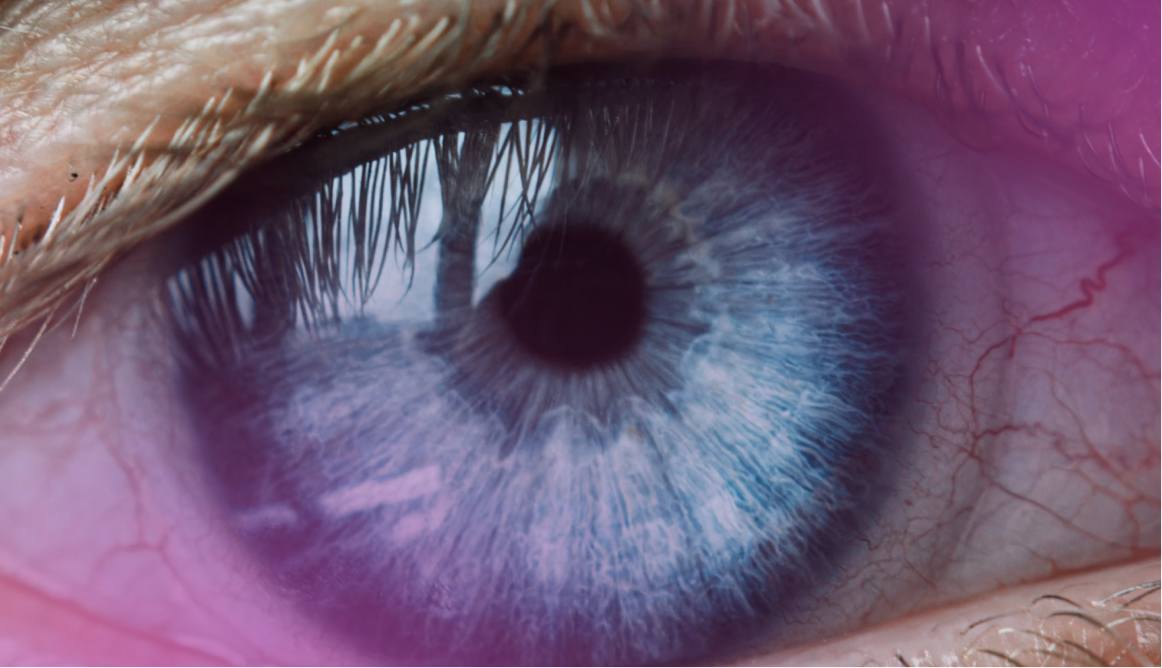
Long sightedness, also known as hyperopia or hypermetropia, is a common focusing condition that can make nearby objects appear blurred or uncomfortable to view. It happens when light focuses behind the retina rather than directly on it.
Some people can see clearly in the distance but struggle with reading, screens and other close work. Stronger long sightedness can affect vision at all distances. Children and younger adults may be able to compensate by making their eyes work harder, so headaches or eye strain may appear before noticeable blur.
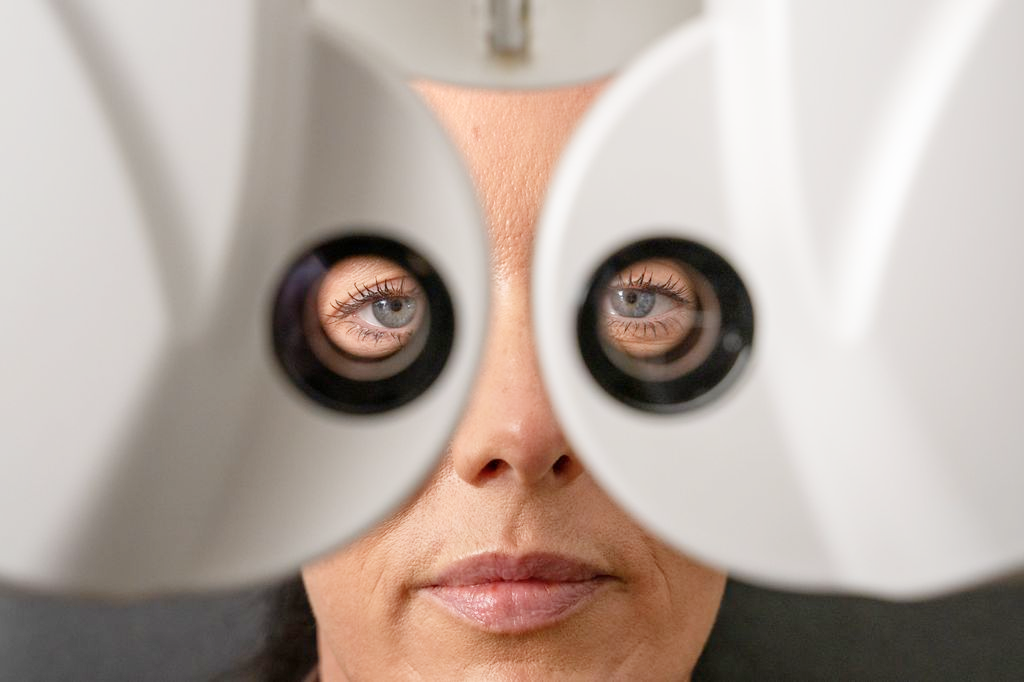
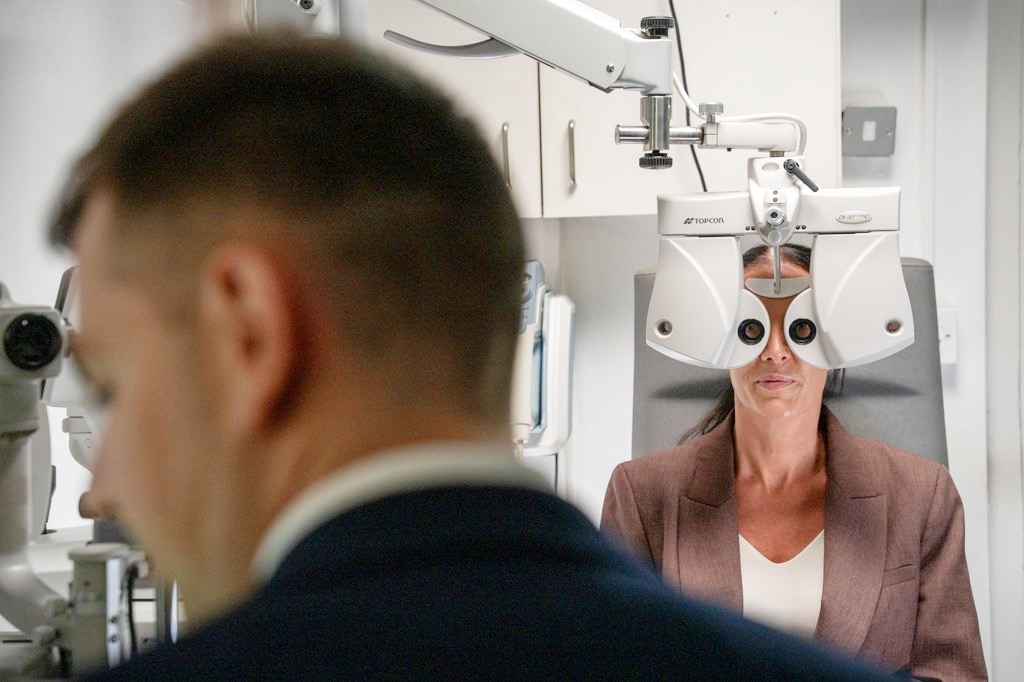
A comprehensive eye examination can identify long sightedness, measure the correction you need and assess the wider health of your eyes. Your optometrist will explain the findings and recommend glasses or contact lenses suited to your prescription, comfort and everyday routine.
Signs You May Be Long Sighted
Blurred or uncomfortable vision when reading or looking at nearby objects
Tired or strained eyes after reading, screen use or detailed close work
Frequent headaches, particularly after concentrating at near distances
Holding books, menus or your phone further away to see more clearly
Taking longer to bring nearby words or objects into focus
Squinting or blinking frequently when trying to see fine detail
Sore, heavy or tired eyes at the end of the day
A child avoiding reading or finding close-up schoolwork uncomfortable
HOW WE CAN HELP
Our Approach to Your Care
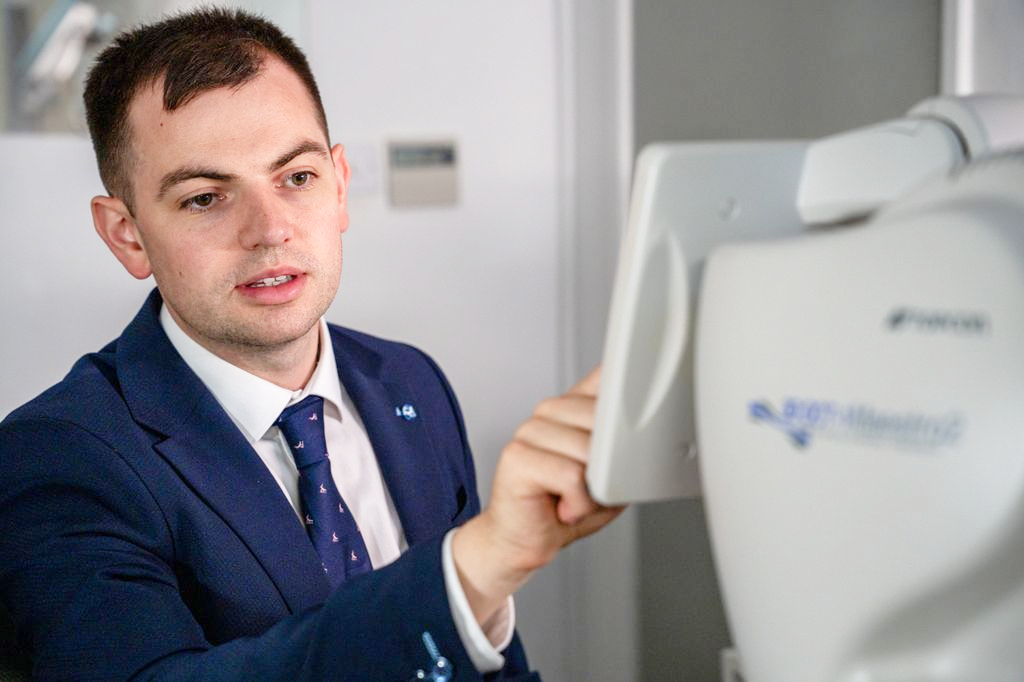
- Discussion of your vision, symptoms, general health and family eye history
- Assessment of your sight at near, intermediate and distance
- Prescription testing to measure the degree of long sightedness
- Evaluation of your focusing ability and how effectively your eyes work together
- Examination of the internal and external health of your eyes
- Clear advice on suitable glasses, contact lenses and follow-up care
Making Near Vision Feel Easier
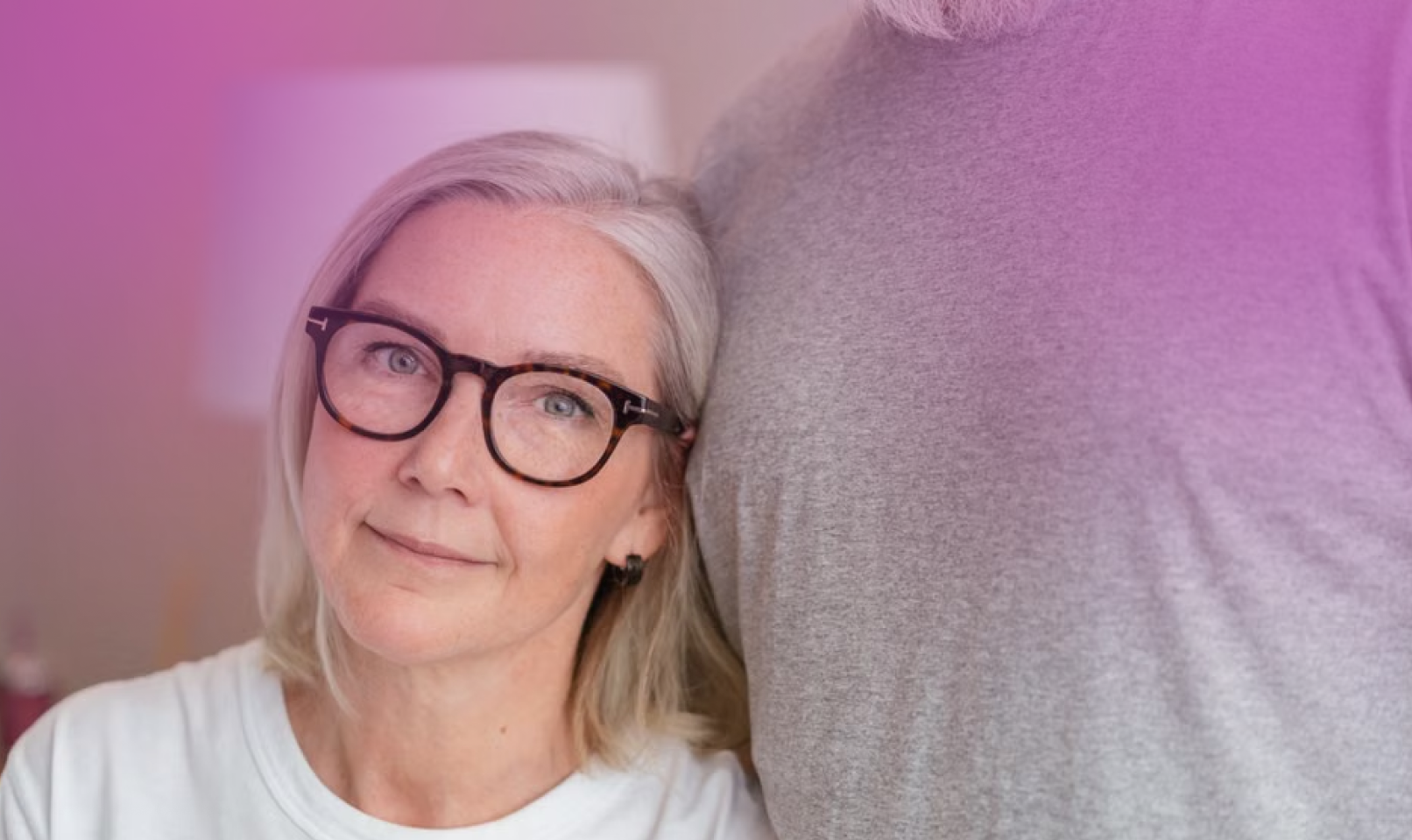
Long sightedness can make everyday activities such as reading, using a phone, working at a computer or completing detailed tasks feel more demanding. The right prescription reduces the effort required to focus and helps your vision feel clearer and more comfortable. Your optometrist will consider the distances you use most throughout the day and whether you need correction for specific activities or more regular wear.
- More comfortable reading and screen use
- Clearer vision for everyday close work
- A prescription tailored to your visual needs
Advice Based on Your Everyday Life
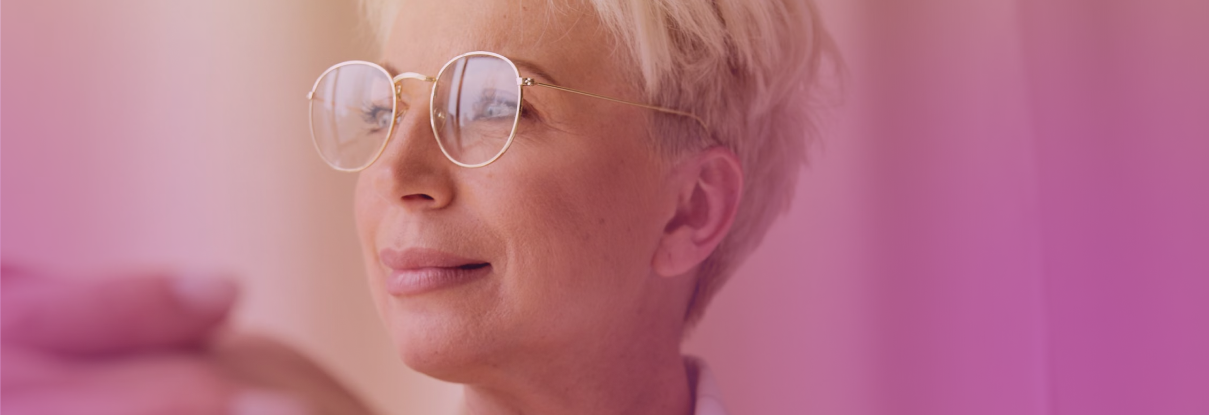
Long sightedness affects everyone differently. Some people only need glasses for reading or prolonged close work, while others benefit from wearing their correction more regularly. We take time to understand your work, hobbies, screen use and daily routine before recommending the most appropriate option. We explain your prescription clearly so you understand when and why your glasses or contact lenses may be helpful.
Glasses and Contact Lenses for Long Sightedness
Long sightedness can usually be corrected with glasses or contact lenses. Depending on your age, prescription and lifestyle, suitable options may include single-vision lenses, occupational lenses, progressive lenses or contact lenses. Our team will help you choose lenses that provide clear vision while considering comfort, appearance, frame choice and how you use your eyes throughout the day.
Stories From Our Patients


Related FAQs
Long sightedness is a focusing condition in which light is directed behind the retina rather than directly onto it. Nearby objects may appear blurred, although stronger long sightedness can also affect distance vision.
Yes. People with mild long sightedness may see clearly in the distance while their eyes work harder to focus on nearby objects. This additional effort can cause headaches, eye strain or tired eyes even when obvious blur is not present.
No. Long sightedness is related to how light focuses within the eye and can affect people of any age. Presbyopia is a natural age-related change in the eye’s ability to focus up close, which usually becomes noticeable from the forties onwards.
Yes. A small amount of long sightedness can be present in childhood, and children may compensate without complaining of blurred vision. An eye examination is important when a child experiences headaches, avoids close work or has difficulties with their vision or eye coordination.
Long sightedness can usually be corrected with properly prescribed glasses or contact lenses. Your optometrist will recommend the most suitable option based on your age, prescription, eye health and everyday visual needs.
WE CARE
Related Services
Expert care, practical guidance and specialist information to support your vision and long-term eye health.


BOOK TODAY
Book Your Eye Examination
Find out whether long sightedness is affecting your vision and receive clear advice on the most comfortable correction for your everyday needs.