






Read what patients value about the reassurance, clear explanations and personal care they receive during their enhanced eye-health assessments at Mairead O’Leary Opticians.
SERVICES
Macular Degeneration
Clear guidance and timely eye care when changes in your central vision make reading, recognising faces or seeing fine detail more difficult.
About Macular Degeneration
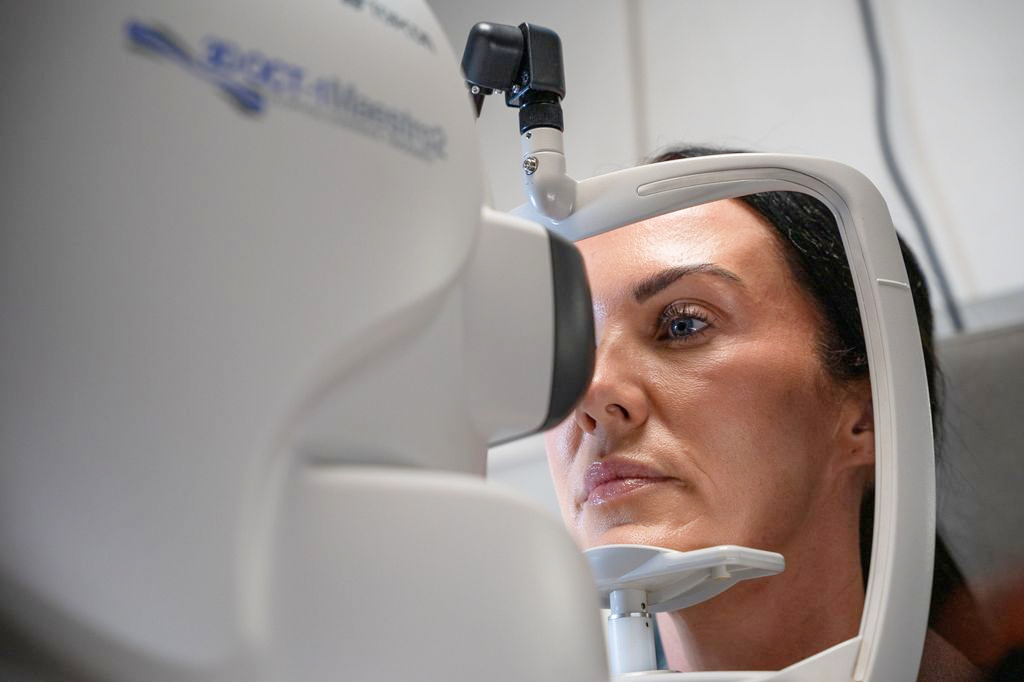
Macular dege neration affects the central part of your vision, the detailed sight you use for reading, driving, recognising faces and looking directly at objects. The most common form is age-related macular degeneration, usually known as AMD.
You may notice that the centre of your vision appears blurred, distorted or less detailed, while your side vision remains clearer. AMD does not usually cause total blindness, but it can make everyday activities more difficult.
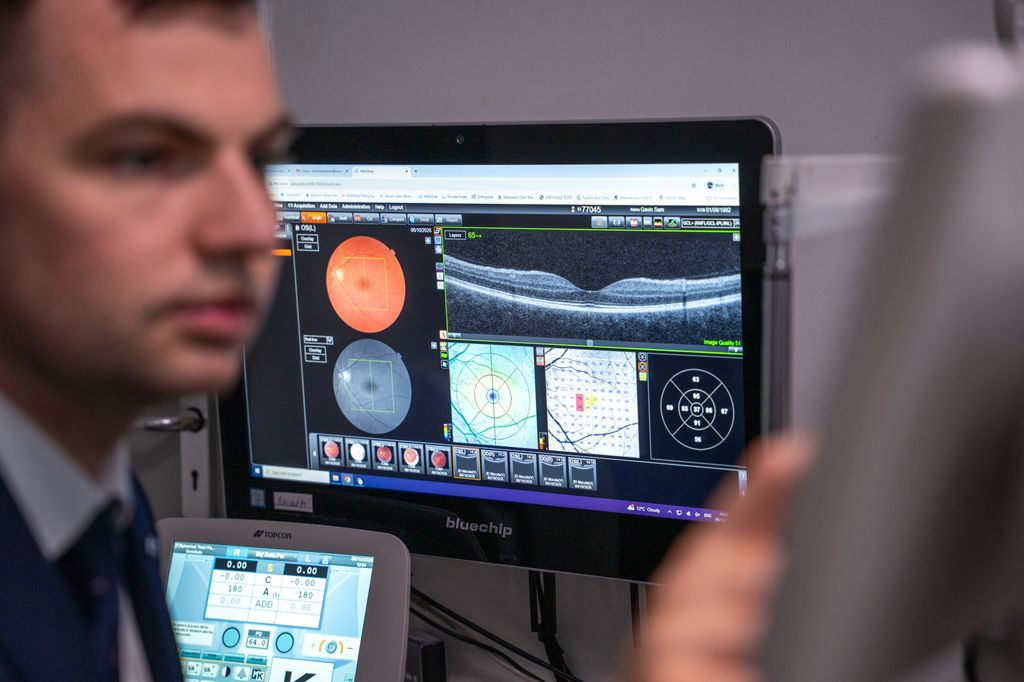
Some forms develop gradually, while others can cause more sudden changes. A thorough eye examination can help identify signs that require closer assessment. Where appropriate, your optometrist may recommend retinal photography or OCT imaging and explain whether monitoring or specialist referral is needed.
Signs of Macular Degeneration
Straight lines, doorframes or tiles appear bent or wavy
The centre of your vision looks blurred, distorted or smudged
Reading small print has become increasingly difficult
Recognising faces takes more effort than it used to
A dark, blurred or empty patch appears in your central vision
Colours appear less bright, clear or vivid
You need brighter light for reading and detailed tasks
A sudden change in your central vision requires prompt assessment
HOW WE CAN HELP
Our Approach to Your Care
- Discussion of changes in your vision, general health and family eye history
- Assessment of your central, near and distance vision
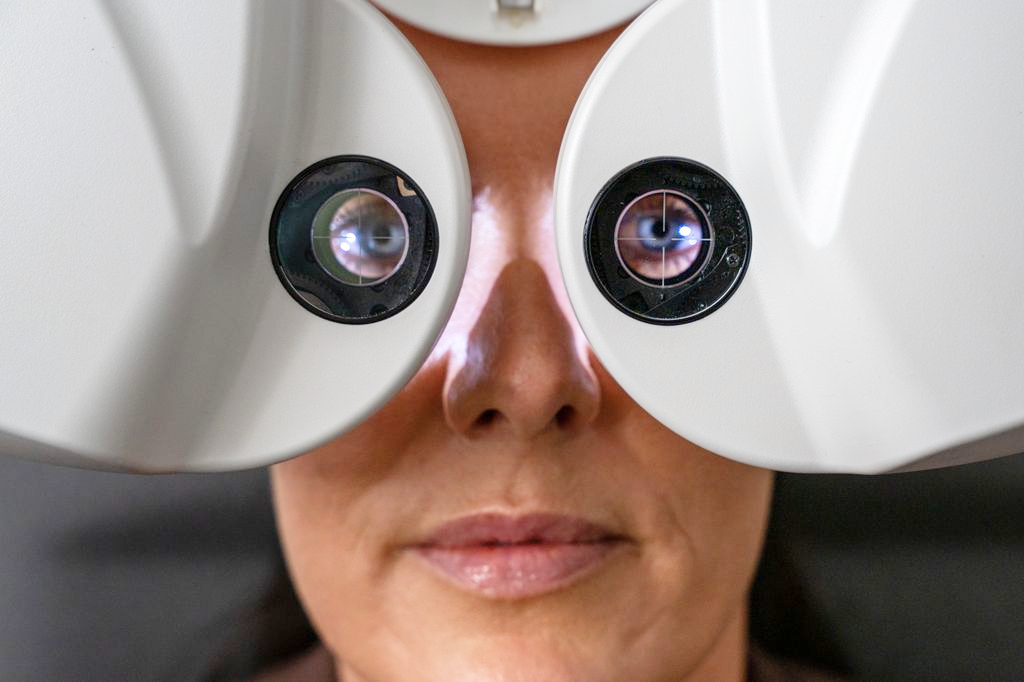
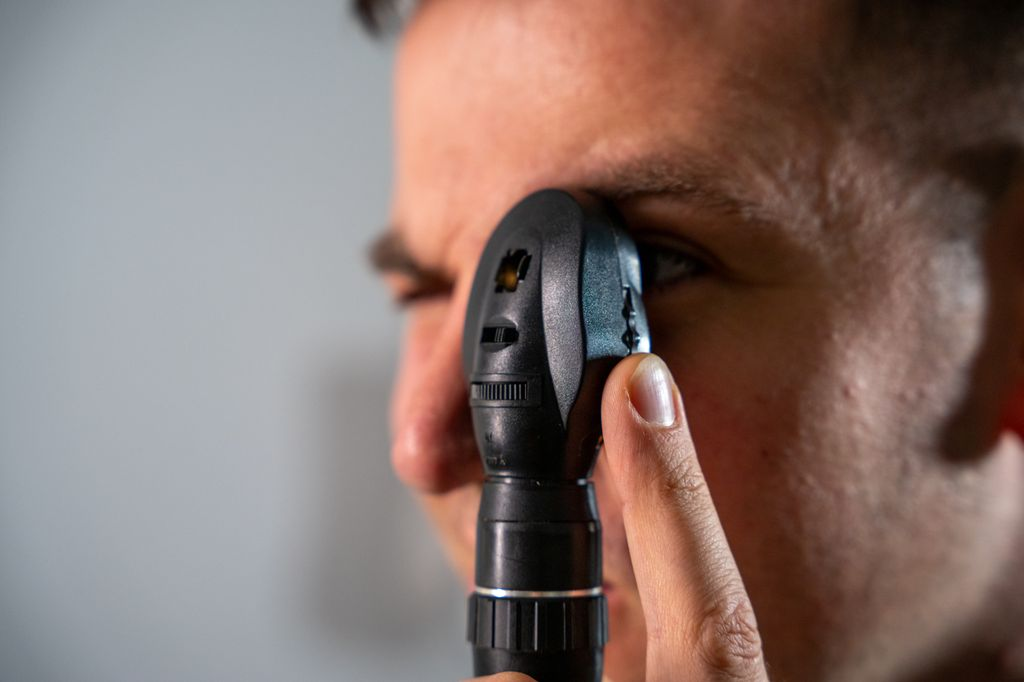
- Detailed examination of the retina and macula
- Retinal photography or OCT imaging where clinically appropriate
- Comparison with previous images when available
- Clear advice on monitoring, support or specialist referral

When Everyday Details Become Harder to See
Changes in central vision can affect many familiar activities, including reading, driving, watching television, recognising faces and completing tasks that require fine detail. We take time to understand what you have noticed and how it is affecting your daily life. Your optometrist will explain the findings clearly and help you understand what should happen next.
- Assessment focused on the symptoms you have noticed
- Clear explanations without unnecessary clinical language
- Advice shaped around your everyday needs
Understanding Dry and Wet AMD
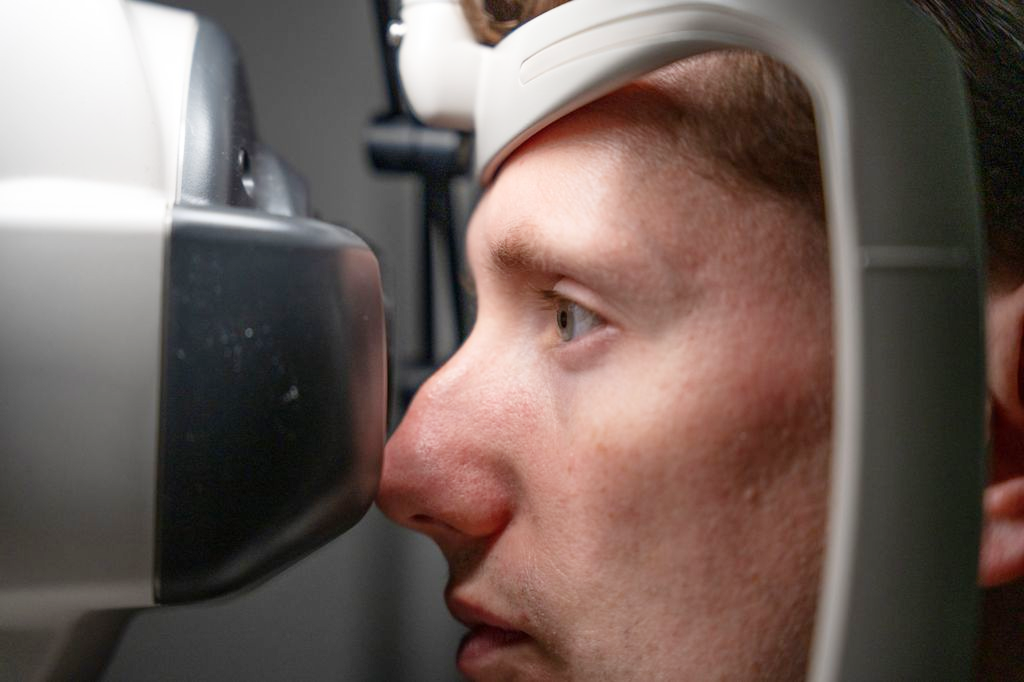
Dry AMD is the more common form and usually develops gradually. You may notice that reading becomes harder, colours look less bright or the centre of your vision becomes increasingly blurred. Wet AMD is less common but can cause faster changes, including sudden distortion or a dark patch in your central vision. Prompt assessment is important because specialist treatment may help protect your remaining sight.
Monitoring and Support
Retinal photography can record the appearance of the back of your eye, while OCT can provide a more detailed view of the layers within the retina and macula. Where appropriate, these images can be stored and compared over time. Your optometrist will explain whether continued monitoring is suitable or whether you should be referred for specialist assessment.
Stories From Our Patients



Related FAQs
Macular degeneration affects the central part of your vision, which you use for reading, recognising faces, driving and seeing fine detail. Your side vision is usually less affected.
Dry AMD is more common and usually develops gradually. Wet AMD is less common but can cause quicker changes to central vision and may require prompt specialist treatment.
AMD does not usually cause complete blindness because it mainly affects central rather than peripheral vision. However, it can significantly affect reading, recognising faces and other activities that require detailed sight.
Your optometrist will assess your vision and examine the retina and macula. Retinal photography, central-vision checks or OCT imaging may also be recommended to provide further information or monitor changes.
Arrange a prompt professional assessment if straight lines suddenly appear bent or wavy, or if you notice a new blurred, distorted or dark area in the centre of your vision.
WE CARE
Related Services
Expert care, practical guidance and specialist information to support your vision and long-term eye health.



BOOK TODAY
Book Your Eye Examination
Concerned about blurred, distorted or changing central vision? Book a thorough eye examination and receive clear advice on the most appropriate next steps.