



Read what patients value about the time, reassurance and clear advice they receive when discussing changes in their vision and eye health at Mairead O’Leary Opticians.
SERVICES
Eye Health Over 40
Personalised eye care for the vision changes and eye-health needs that can become more common from your forties onwards.

About Eye Health Over 40
From your forties, you may begin to notice that reading small print, using screens or focusing on nearby objects takes more effort. This is often caused by presbyopia, a natural age-related change in the eye’s ability to focus clearly at close distances.
A thorough eye examination assesses your near, intermediate and distance vision while checking the wider health of your eyes. Your optometrist will take time to understand any changes you have noticed, alongside your general health, medication, family eye history and everyday visual needs.
Conditions such as cataracts, glaucoma and macular degeneration also become more common with age and may not always cause noticeable early symptoms. Most adults should have their eyes examined at least every two years, or more frequently when advised by their optometrist.

Changes You May Notice After 40
Holding reading material further away to see it clearly
Needing brighter light for reading or close work
Blurred near vision when reading small print or using screens
Taking longer to refocus between near and distance
Frequent headaches after reading or screen use
Tired or strained eyes after visually demanding tasks
Increased glare or difficulty seeing clearly at night
A new, sudden or unexplained change in your vision
HOW WE CAN HELP
Our Approach to Your Care
- Discussion of changes in your vision, general health, medication and family eye history
- Assessment of your distance, intermediate and near vision
- Prescription testing and evaluation of your focusing ability
- Assessment of how effectively your eyes work together
- Examination of the internal and external health of your eyes
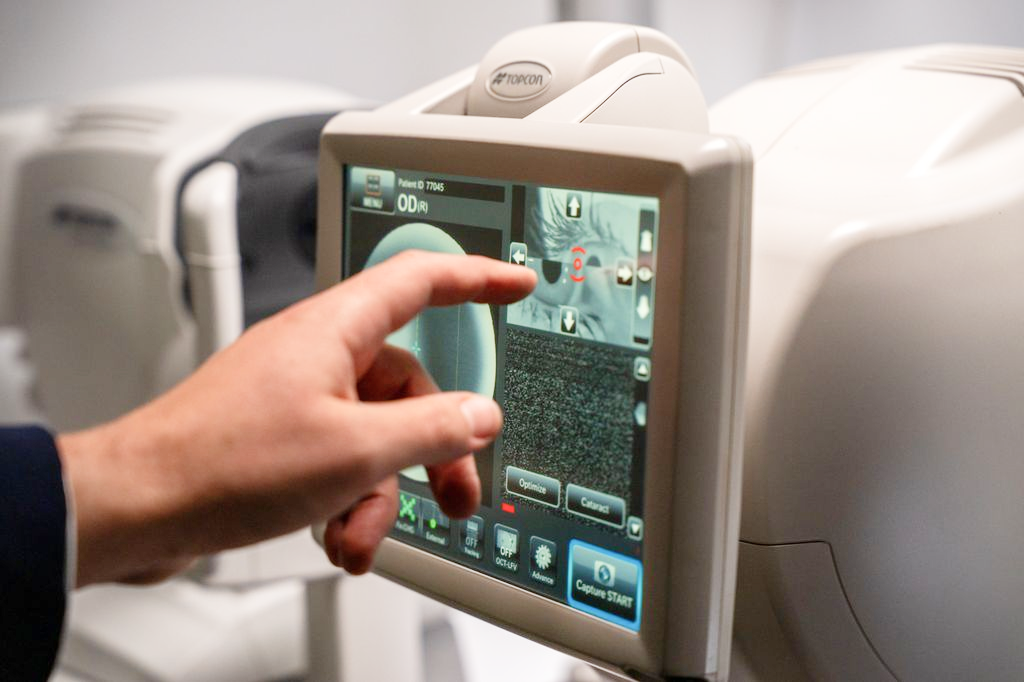
- Eye-pressure measurement, retinal photography, visual-field screening or OCT where clinically indicated

Care That Changes With You
Your visual needs can evolve from your forties onwards, but the right solution is different for everyone. We take time to understand how you use your vision for reading, screens, work, driving and everyday activities before recommending any changes to your glasses, lenses or ongoing eye care. We also explain whether the changes you are experiencing are part of normal ageing or whether further assessment or monitoring may be appropriate.
- Advice shaped around your lifestyle and visual needs
- Clear guidance on age-related vision changes
- Personalised recommendations and follow-up care

Independent Advice
Every recommendation is based on your prescription, eye health, lifestyle and personal preferences. Whether you need reading glasses, occupational lenses, progressive lenses, contact lenses or no change at all, we explain the available options clearly and recommend what is genuinely appropriate for you.
Advanced Eye Care Technology
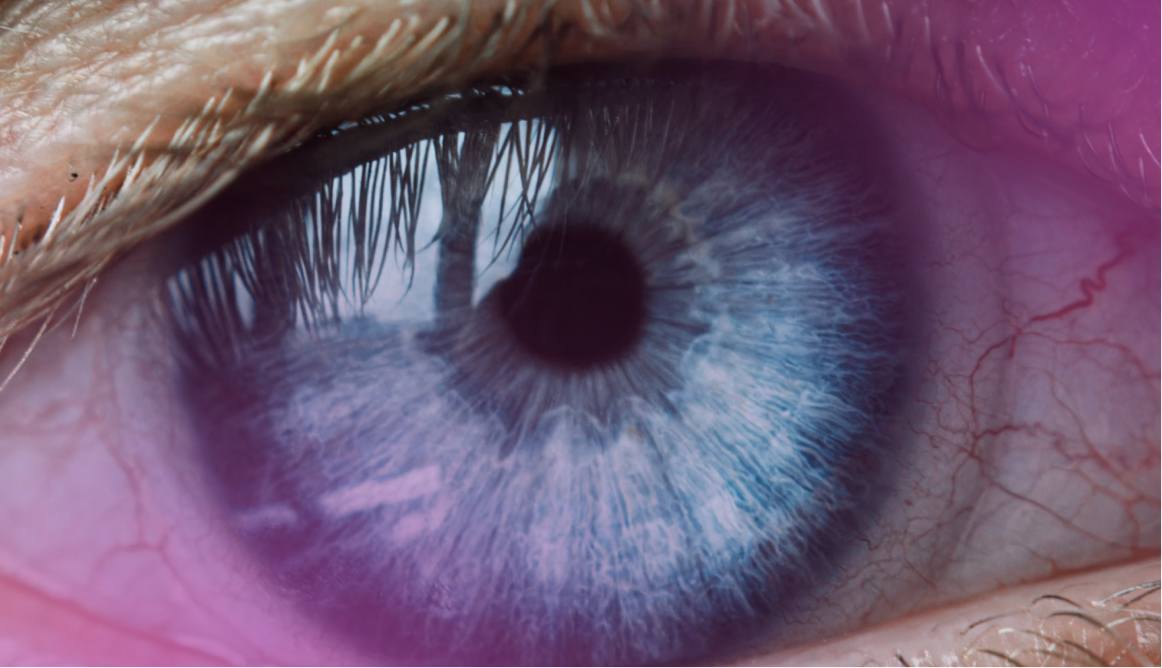
Our practices combine experienced optometrists with modern diagnostic equipment to support detailed assessment and ongoing monitoring. Where clinically appropriate, retinal photography, visual-field testing or OCT can provide additional information about the structures within your eyes. Further testing is recommended only when it is relevant to your symptoms, history or examination findings.
Stories From Our Patients



Related FAQs
The natural lens inside the eye gradually becomes less flexible with age. This makes it more difficult to focus clearly on books, phones, screens and other nearby objects. This change is known as presbyopia and commonly becomes noticeable from your forties onwards.
Not necessarily. Presbyopia is a normal age-related focusing change rather than an eye disease. An eye examination is still important to confirm your prescription and assess the wider health of your eyes.
Most adults should have an eye examination at least every two years. Your optometrist may recommend more frequent appointments depending on your prescription, symptoms, general health, family history or risk of particular eye conditions.
Depending on your prescription and lifestyle, suitable options may include reading glasses, progressive lenses, occupational lenses, bifocals or contact lenses. Your optometrist will discuss how you use your vision throughout the day and recommend the most appropriate solution.
No. OCT is an additional imaging test and is not necessary for every patient at every examination. Your optometrist will recommend it when a more detailed view of the retina, macula or optic nerve could provide useful clinical information.
WE CARE
Related Services
Expert care, practical guidance and specialist information to support your vision and long-term eye health.


BOOK TODAY
Book Your Eye Examination
Stay ahead of changes in your vision with professional care, clear explanations and advice centred on your individual needs. Book an eye examination at your preferred Mairead O’Leary practice.