








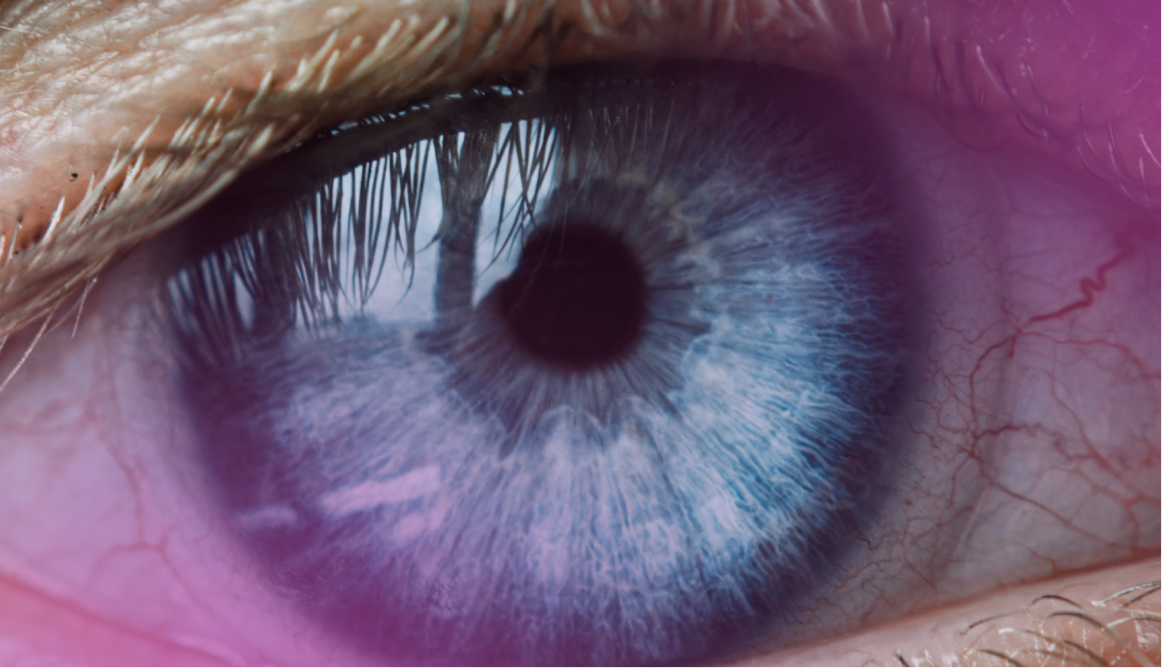
Diabetic retinopathy is a complication of diabetes that affects the small blood vessels supplying the retina at the back of the eye. These vessels can become damaged, blocked or begin to leak, potentially affecting vision as the condition progresses.
SERVICES
Diabetic Retinopathy
Regular screening and eye examinations can help identify diabetes-related changes before they begin to affect your sight.
About Diabetic Retinopathy
Diabetic retinopathy is an eye condition that can affect people with type 1 or type 2 diabetes. It develops when diabetes damages the small blood vessels that supply the retina, the light-sensitive layer at the back of the eye.
In its early stages, diabetic retinopathy usually causes no noticeable symptoms. Changes may therefore be developing even when your vision feels completely normal. As the condition progresses, it can affect central or peripheral vision and may lead to permanent sight loss if it is not identified and treated.
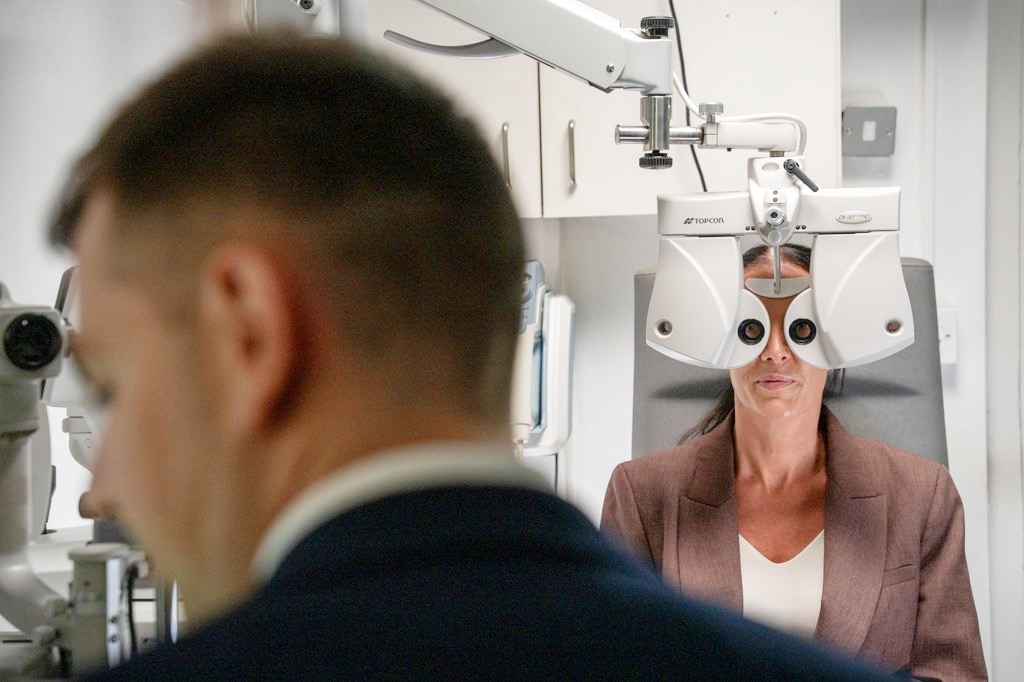
Regular Diabetic RetinaScreen appointments are essential, but they do not replace your routine eye examinations. Your optometrist will also assess your prescription, examine your overall eye health and explain whether any further monitoring or referral is appropriate.

What to Know About Diabetic Eye Changes
Early diabetic retinopathy often causes no noticeable symptoms
Blurred or patchy vision should be professionally assessed
A gradual decline in your vision should not be ignored
A gradual decline in your vision should not be ignored
Reading and seeing fine detail may become more difficult
Colours may appear less clear, faded or washed out
Eye pain, redness or an unexplained change needs prompt advice
Sudden vision loss requires urgent medical attention
HOW WE CAN HELP
Our Approach to Your Care
- Discussion of your diabetes, general health, medication and recent vision changes
- Assessment of your near, intermediate and distance vision
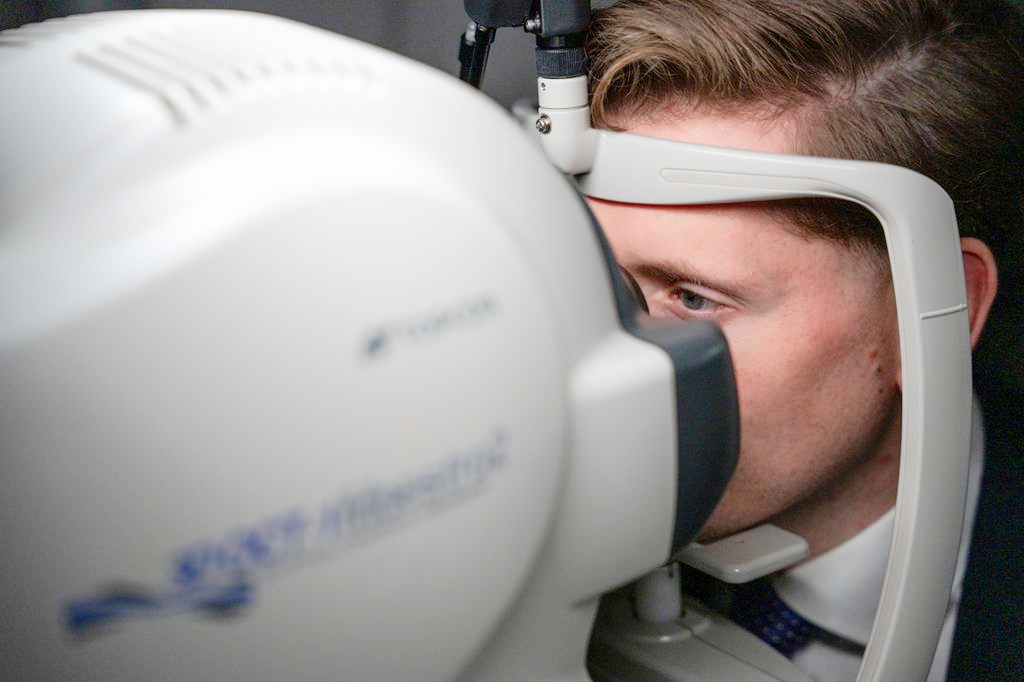
- Examination of the retina and the wider health of your eyes
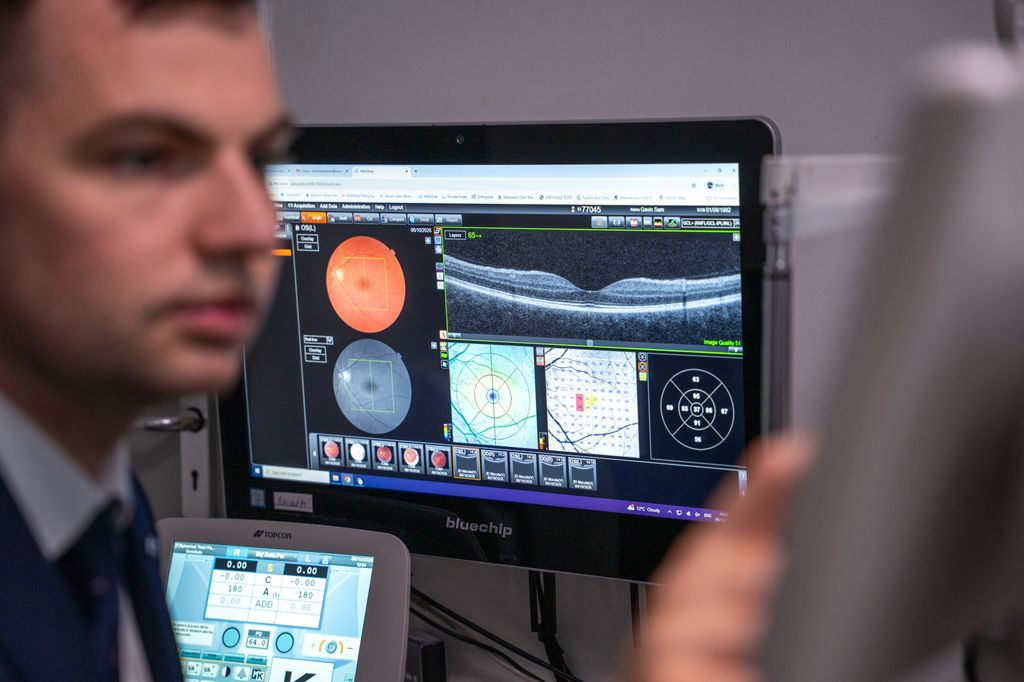
- Digital retinal photography to record and review the back of the eye where appropriate
- OCT imaging where available and clinically indicated
- Clear advice on routine care, Diabetic RetinaScreen, monitoring or specialist referral
Protecting Your Sight Starts Early
Diabetic retinopathy can develop before you notice any change in your vision. Attending your screening appointments gives specialists the opportunity to identify and monitor small changes to the retinal blood vessels at an earlier stage. Your routine eye examinations remain important alongside screening. They allow your optometrist to review your prescription, assess your wider eye health and provide advice if you notice changes between screening appointments.
- Attend every Diabetic RetinaScreen appointment
- Continue with regular eye examinations
- Seek advice promptly when your vision changes

Screening and Eye Examinations Work Together
Diabetic RetinaScreen is Ireland’s national screening programme for people with type 1 or type 2 diabetes aged 12 and over. The programme is free and uses specialist retinal photography to check for diabetes-related changes at the back of the eyes. Screening is designed specifically to look for diabetic retinopathy and may not identify every other eye condition. A routine eye examination is separate and assesses your vision, prescription and wider eye health. Both form an important part of caring for your eyes when you have diabetes.
Clear Guidance if Changes Are Found
Your optometrist will explain any findings clearly and advise whether you need routine monitoring, an earlier review or specialist assessment. When diabetic retinopathy is identified through screening, the next steps depend on the type and extent of the changes. Some people only require closer monitoring, while more advanced changes may need treatment from an ophthalmologist. Treatment can include laser therapy, eye injections or surgery when clinically appropriate.
Stories From Our Patients
Related FAQs
Yes. Diabetic retinopathy commonly causes no noticeable symptoms during its early stages. This is why regular diabetic retina screening is important even when your vision feels clear and unchanged.
No. Diabetic RetinaScreen is a specialist national screening programme designed to identify diabetes-related retinal changes. A routine eye examination assesses your prescription and wider eye health. Screening and regular eye examinations complement one another, and you should continue attending both.
Ireland’s Diabetic RetinaScreen programme is available free of charge to people aged 12 and over with type 1 or type 2 diabetes. You can register through the HSE or ask your GP, practice nurse, dietitian or eye doctor to help register you.
Attend all diabetic retina screening and routine eye-examination appointments, take your diabetes medication as prescribed and work with your healthcare team to manage your blood glucose, blood pressure and cholesterol. Seek professional advice promptly if you notice any change in your vision.
WE CARE
Related Services
Expert care, practical guidance and specialist information to support your vision and long-term eye health.



BOOK TODAY
Book Your Eye Examination
If you have diabetes, routine eye examinations remain important alongside Diabetic RetinaScreen. Book an appointment for a thorough assessment of your vision and overall eye health.