






Read what patients value about the clearer near vision, practical guidance and personal service they receive at Mairead O’Leary Opticians.
SERVICES
Cataracts
Clear advice and professional eye care when your vision becomes cloudy, misty or less comfortable than it used to be.
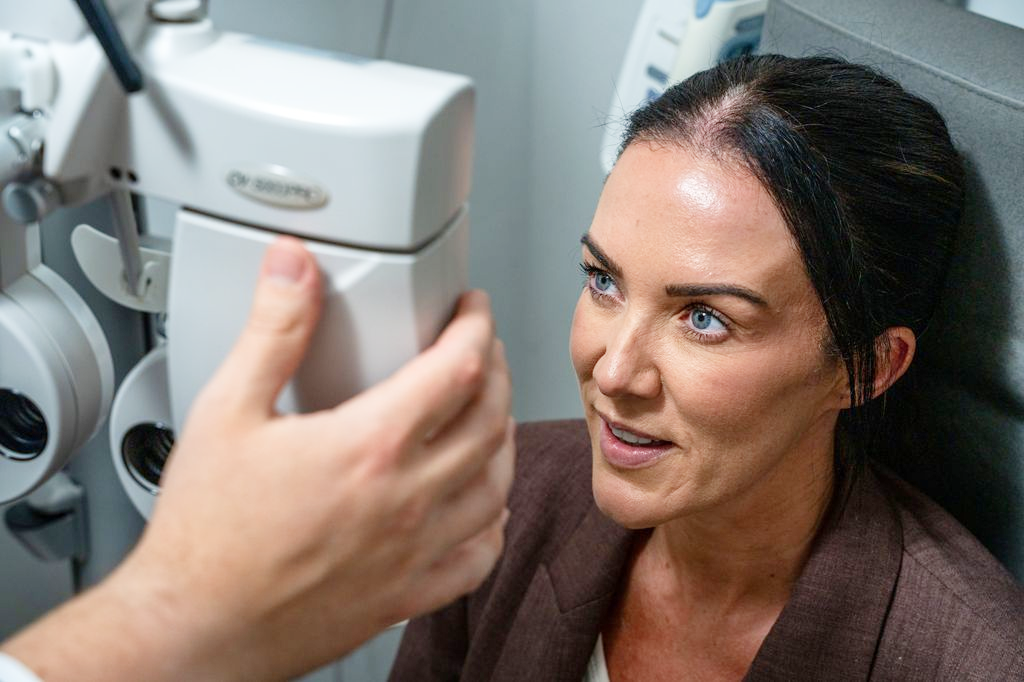
About Cataracts
A cataract develops when the natural lens inside your eye becomes cloudy. This prevents light from passing through the eye as clearly as before and can make your vision appear blurred, misty or faded.
Cataracts usually develop gradually and are more common as we get older. They often affect both eyes, although one eye may change sooner than the other. Because the changes can be slow, you may not notice them immediately.
A thorough eye examination can identify signs of cataracts, assess how they are affecting your vision and rule out other possible causes of your symptoms. Your optometrist will explain the findings clearly and advise whether an updated prescription, continued monitoring or referral for specialist assessment is appropriate.
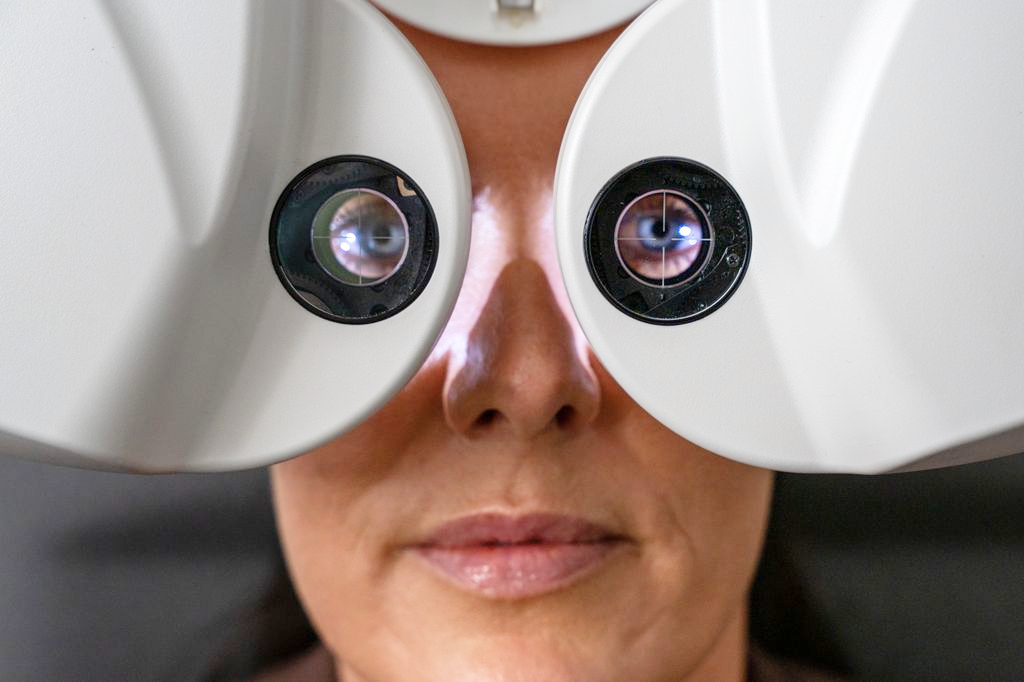
Signs You May Have Cataracts
Vision that appears cloudy, misty or blurred
Colours looking faded, dull or less vibrant
Increased sensitivity to bright light or glare
Halos appearing around lights, particularly at night
Difficulty seeing clearly when driving after dark
Needing brighter light for reading or detailed tasks
Your glasses prescription changing more frequently
Double vision or multiple images in one eye
HOW WE CAN HELP
Our Approach to Your Care
- Discussion of changes in your vision, general health, medication and eye history
- Assessment of your sight at near, intermediate and distance
- Examination of the natural lens and the wider health of your eyes
- Review of glare, contrast and any difficulties affecting everyday activities
- Prescription testing to determine whether updated glasses may improve your vision
- Clear advice on monitoring, follow-up care or specialist referral where needed

Understanding Changes in Your Vision
Cataracts do not always affect vision in the same way. You may first notice problems when driving at night, reading in lower light, recognising faces or adjusting between bright and dim environments. We take time to understand how your sight is affecting your independence, comfort and daily routine. Your examination helps us determine whether your symptoms are related to cataracts and what support may be appropriate at this stage.
- A thorough assessment of your changing vision
- Clear explanations without unnecessary jargon
- Advice shaped around your everyday needs
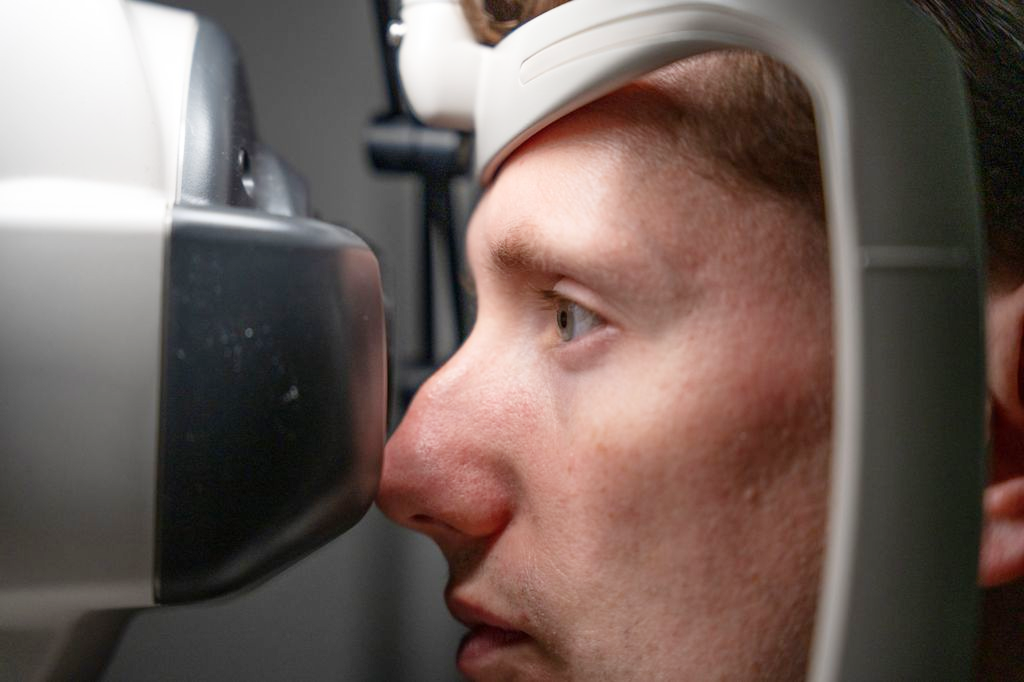
Clear Advice at Every Stage
An early cataract may have very little effect on your daily life and may simply need to be monitored. An updated glasses prescription, improved lighting or anti-reflective lenses may help you see more comfortably while the cataract is still developing. We will explain what we can see, how much your vision has changed and when you should return for another examination. Recommendations are always based on how the cataract is affecting you rather than its presence alone.
Referral When the Time Is Right
Cataract surgery may be considered when changes in your vision begin to interfere with activities such as reading, driving, working or moving around safely. If specialist assessment is appropriate, your optometrist will explain the reasons and arrange a referral. Cataract surgery involves removing the cloudy natural lens and replacing it with a clear artificial lens. The ophthalmologist will discuss the procedure, potential benefits and suitable lens options with you.
Stories From Our Patients



Related FAQs
A cataract is a cloudy area that develops within the natural lens of the eye. As the lens becomes less transparent, vision may appear blurred, misty or faded.
Cataracts usually develop gradually and do not normally cause pain, redness or irritation. Arrange urgent medical assessment if you experience sudden vision loss, severe eye pain or a painful red eye, as these symptoms are not typical of cataracts.
Not immediately. Early cataracts may have little effect on your daily life and can often be monitored. Surgery may be recommended when the cataract begins to interfere with activities that are important to you.
An updated prescription may improve your vision during the earlier stages, particularly if your prescription has changed. As a cataract progresses, glasses may no longer provide enough improvement, and specialist assessment may then be appropriate.
During cataract surgery, the cloudy natural lens is removed and replaced with a clear artificial lens. The procedure is carried out by an ophthalmologist, who will explain the treatment, lens options, possible risks and expected recovery.
WE CARE
Related Services
Expert care, practical guidance and specialist information to support your vision and long-term eye health.


BOOK TODAY
Book Your Eye Examination
Concerned about cloudy vision, glare or changes when driving at night? Book a thorough eye examination and receive clear advice on the most appropriate next steps.