




Read what patients value about the clearer vision, personal advice and carefully tailored correction they receive at Mairead O’Leary Opticians.
SERVICES
Astigmatism
Clear advice and personalised vision correction for a common condition that can make objects appear blurred or distorted at any distance.
About Astigmatism
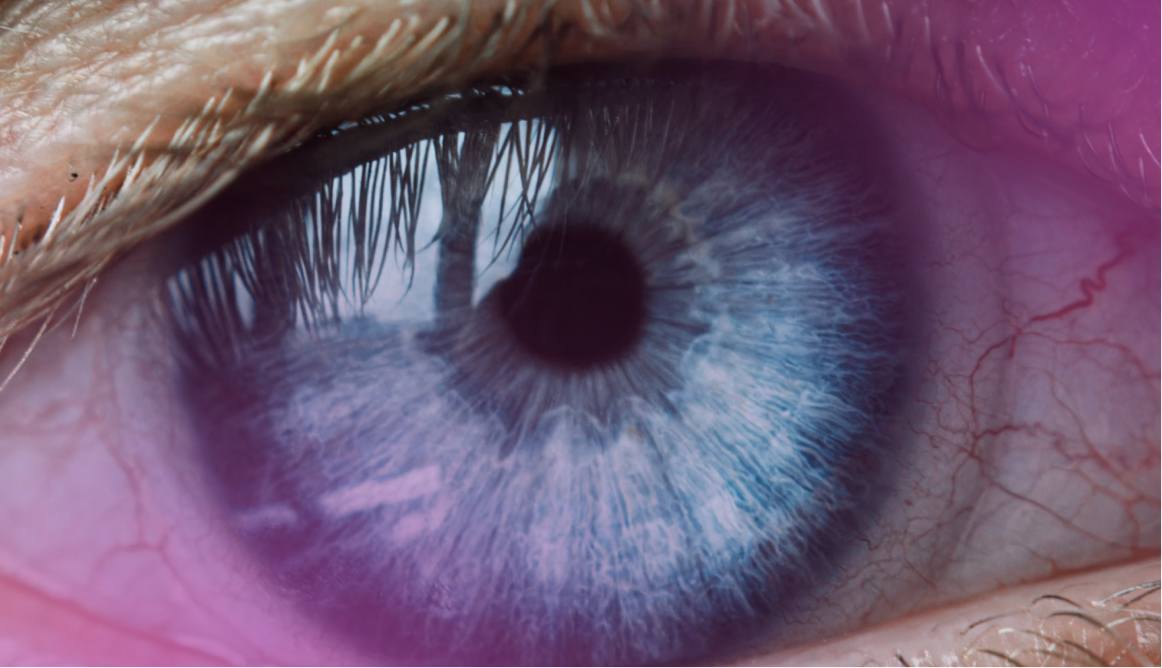
Astigmatism is a common vision condition caused by the shape of the cornea at the front of the eye or, sometimes, the natural lens inside it. Instead of light focusing evenly on the retina, it focuses in more than one place, which can make vision appear blurred, stretched or distorted.
Astigmatism can affect near and distance vision and may occur alongside short sightedness or long sightedness. Some people have only a small amount and notice very little, while others experience eye strain, headaches or difficulty seeing clearly, particularly when driving at night.
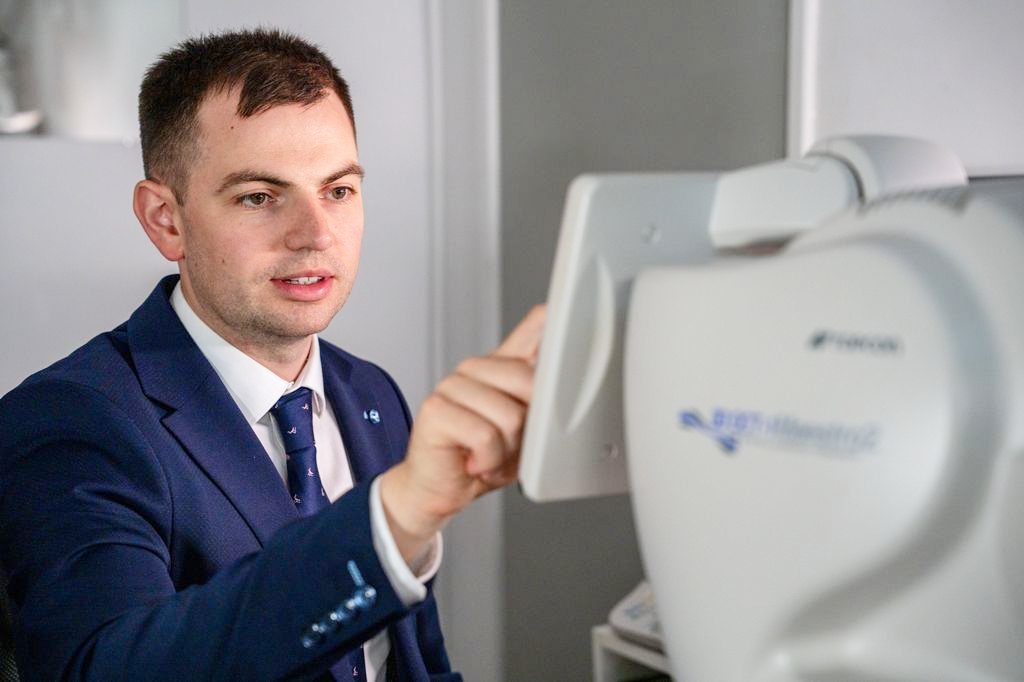
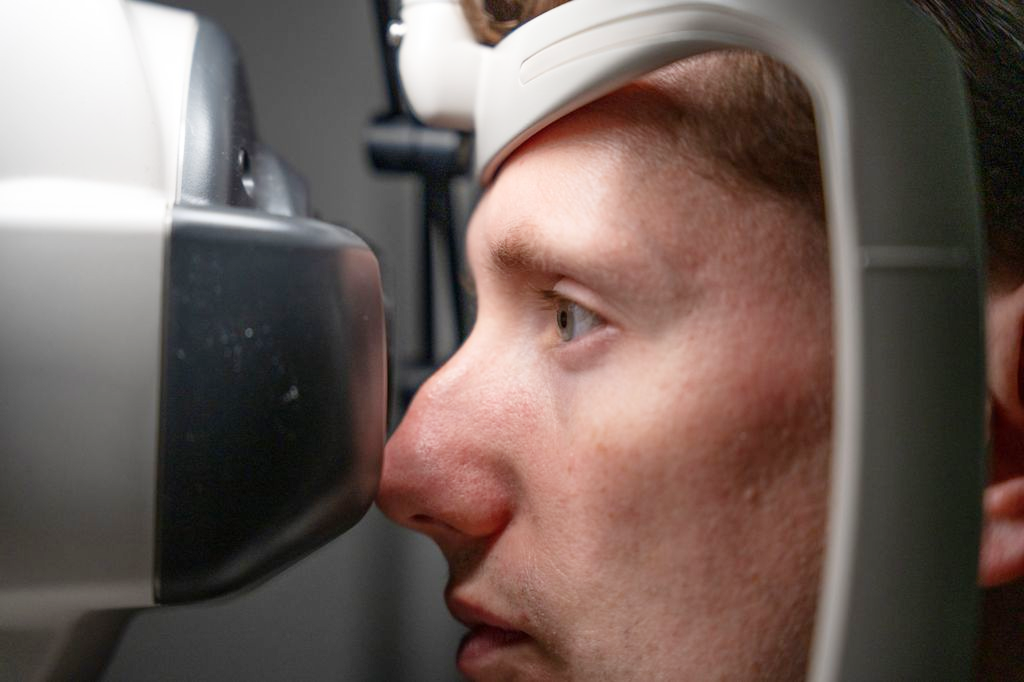
A comprehensive eye examination can identify whether you have astigmatism and determine the correction you need. Your optometrist will explain the results clearly and recommend glasses, contact lenses or further assessment based on your prescription, eye health and lifestyle.
Signs You May Have Astigmatism
Blurred or distorted vision at both near and distance
Squinting to bring words, faces or objects into clearer focus
Frequent headaches, particularly after reading or screen use
Tired or strained eyes after visually demanding tasks
Difficulty seeing fine details or clearly defined edges
Increased glare or halos around lights at night
Difficulty seeing clearly when driving after dark
Vision that still feels unclear with your current glasses
HOW WE CAN HELP
Our Approach to Your Care
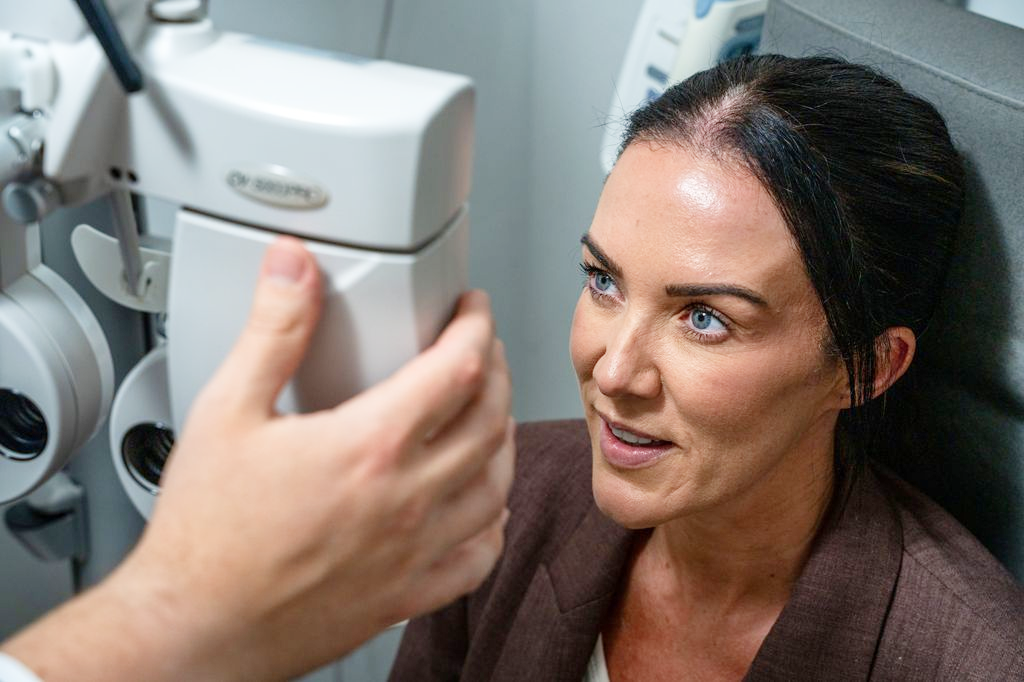
- Discussion of your vision, symptoms, general health and family eye history
- Assessment of your sight at near, intermediate and distance
- Prescription testing to identify the amount and direction of astigmatism
- Evaluation of how well your eyes focus and work together
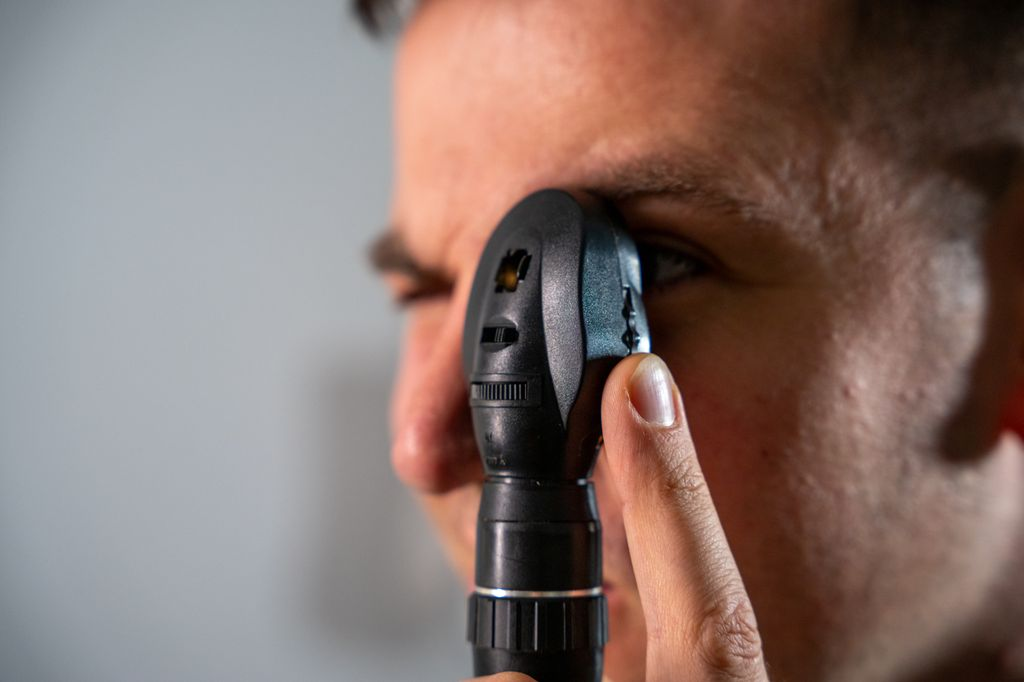
- Examination of the internal and external health of your eyes
- Clear advice on glasses, contact lenses and any recommended follow-up care
Clearer Vision at Every Distance
Astigmatism can affect people differently. You may notice blur when reading, looking across a room, driving or moving between different distances. The right prescription redirects light more accurately within the eye, helping details appear clearer and more defined. Your optometrist will carefully refine your prescription and discuss when you may need to wear your correction, whether that is throughout the day or for particular activities such as driving, reading or screen use.
- Clearer, more comfortable everyday vision
- Correction tailored to your individual prescription
- Practical advice based on how you use your eyes
Glasses and Contact Lenses for Astigmatism
Most people with astigmatism can achieve clear, comfortable vision with properly prescribed glasses or contact lenses. Glasses contain a specific correction positioned in the direction required by your eyes. Toric contact lenses are specially designed to correct astigmatism while remaining stable in the correct position. Where contact lenses are suitable, our team can recommend an option based on your prescription, comfort, eye health and daily routine. on required by your eyes.
A Prescription Tailored to Your Eyes
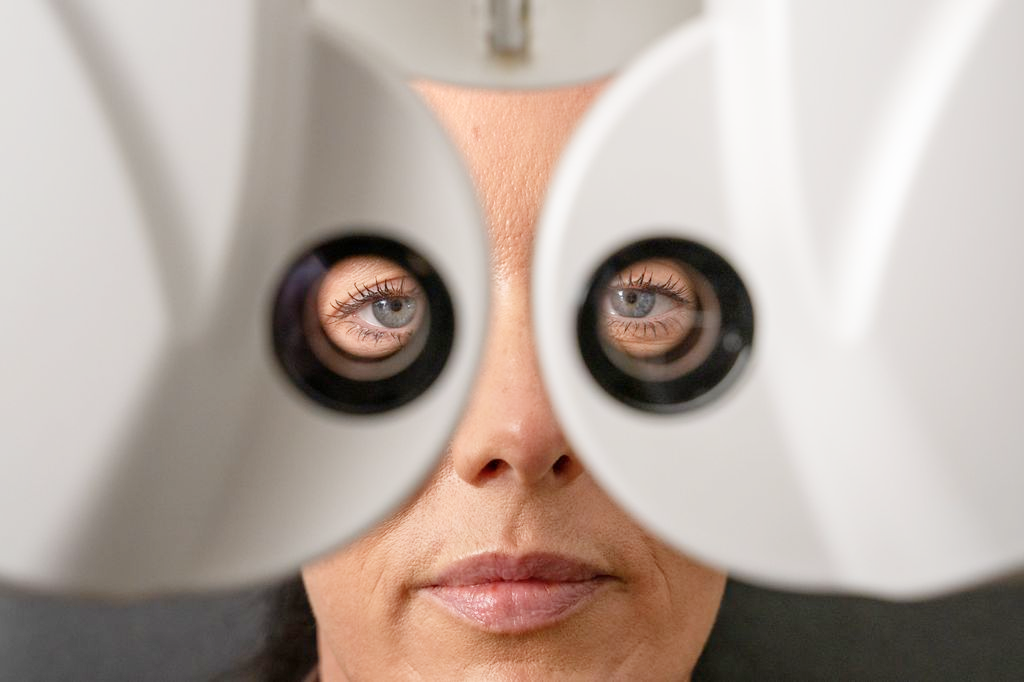
Astigmatism prescriptions include additional measurements that describe both the strength and direction of the correction your eyes need. Even small adjustments can affect how clear and comfortable your vision feels. Our optometrists take time to refine these measurements, explain your prescription and advise you on suitable lenses. Where astigmatism is irregular or changes unexpectedly, further assessment or referral may be recommended.
Stories From Our Patients



Related FAQs
Astigmatism is a common focusing condition caused by the shape of the cornea or the natural lens inside the eye. Light does not focus evenly on the retina, which can make objects appear blurred or distorted at near and distance.
Astigmatism can cause blurred vision, squinting, eye strain, headaches or difficulty seeing clearly at night. However, these symptoms can have different causes, so a comprehensive eye examination is the best way to determine whether astigmatism is present.
Yes. Astigmatism can usually be corrected with properly prescribed glasses or contact lenses. Your optometrist will recommend the most suitable option based on your prescription, eye health, comfort and lifestyle.
Many people with astigmatism can wear contact lenses. Toric contact lenses contain a specific correction for astigmatism and are designed to remain stable on the eye. A contact-lens assessment will determine which options may be suitable for you.
Yes. Astigmatism can remain stable or change as the eyes develop and age. A noticeable or rapid change may require further assessment, so regular eye examinations are important for keeping your prescription and eye health under review.
WE CARE
Related Services
Expert care, practical guidance and specialist information to support your vision and long-term eye health.


BOOK TODAY
Book Your Eye Examination
Find out whether astigmatism is affecting your sight and receive clear advice on the most suitable correction for your everyday needs.